Best Landscape Lighting for Corporate Hosting: Expert Guide
Exterior illumination for corporate campuses, executive retreat centers, and enterprise hospitality venues demands a sophisticated fusion of architectural engineering, safety compliance, and guest psychology. When facility directors and corporate event planners evaluate the best landscape lighting for corporate hosting, they are managing environments where outdoor grounds function as high-stakes extensions of boardrooms, brand showcases, and networking arenas. These nocturnal spaces require careful optical balancing to ensure guest security and pathfinding without washing out the sophisticated architectural ambiance necessary for high-level corporate gatherings.
Corporate outdoor hosting areas experience unique operational pressures that differentiate them from standard residential landscapes or municipal parks. Events involve high-density pedestrian traffic, catered food and beverage stations, temporary staging infrastructure, and rigorous ADA compliance requirements under varying night conditions. Designing an elite nocturnal layout for these environments demands robust low-voltage engineering, intelligent DMX zone control, and durable marine-grade or heavy architectural bronze fixtures capable of withstanding heavy commercial wear.
This reference manual provides an exhaustive structural, electrical, and operational framework for designing, executing, and maintaining exterior lighting systems tailored for enterprise event spaces. The following sections dissect systemic historical evolution, analytical mental models, commercial fixture categories, and asset management protocols to establish a definitive professional standard.
Understanding “best landscape lighting for corporate hosting”
When facility managers and real estate executives investigate the best landscape lighting for corporate hosting, the primary objective is engineering a versatile outdoor lighting network that transitions seamlessly between daily security illumination and dynamic event-mode staging. A frequent misstep involves treating corporate grounds like static residential gardens, installing fixed-intensity uplights that fail to adapt to changing crowd distributions, catering tents, or temporary audio-visual installations.
A widespread misconception views corporate event illumination through a purely aesthetic lens, focusing exclusively on dramatic tree uplighting while ignoring critical pedestrian safety clearances and glare control. This oversimplification leads to tripping hazards along transition paths, uncomfortable eye-level glare for seated guests, and compliance violations under federal safety guidelines. Truly mastering the best landscape lighting for corporate hosting requires synthesizing advanced photometric design, low-voltage electrical engineering, and corporate brand psychology.
Relying on residential-grade consumer fixtures introduces severe structural vulnerabilities and persistent operational failures in high-traffic commercial environments. When property management deploys lightweight aluminum fixtures or standard wire connectors across multi-acre corporate grounds, grounds maintenance equipment and high-density foot traffic quickly damage the hardware. Professional execution demands heavy brass or stainless steel luminaires, protected subterranean conduit runs, and enterprise-grade smart control gateways.
Deep Contextual Background
The evolution of commercial exterior illumination reflects a broader transformation in corporate real estate design, shifting from utilitarian parking lot floodlights to human-centric landscape environments that prioritize employee wellness and client engagement. In earlier decades, corporate campuses relied on high-voltage, high-intensity discharge (HID) metal halide or sodium floodlights that cast harsh orange or greenish glares, creating sterile, intimidating nocturnal environments unsuited for hosting evening receptions or stakeholder events.
The introduction of solid-state low-voltage LED technology during the 2010s revolutionized corporate landscape design, enabling precise optical beam control, adjustable Kelvin color temperatures, and dramatic reductions in energy consumption. Concurrently, architectural firms recognized that outdoor courtyards and sculpture gardens could serve as powerful corporate hosting assets, driving demand for specialized systems that could switch instantly from subdued security washes to vibrant, brand-aligned event lighting.
Today, implementing the best landscape lighting for corporate hosting encompasses smart DMX network integration, wildlife-safe spectral tuning, and robust structural durability. Consequently, designing elite corporate outdoor environments has evolved into an interdisciplinary field merging electrical engineering, architectural design, and corporate event operations.
Conceptual Frameworks and Mental Models
Designing and maintaining high-performance lighting networks for corporate event venues requires robust mental models that account for human crowd dynamics, optical layering, and electrical load distribution.
The Pedestrian Flow and Safety Gradient
This foundational model dictates that illumination intensity must scale smoothly along primary circulation routes, entry portals, and gathering plazas to prevent disorientation and trip-and-fall liabilities during high-density evening events.
The Three-Tier Corporate Optical Layering Model
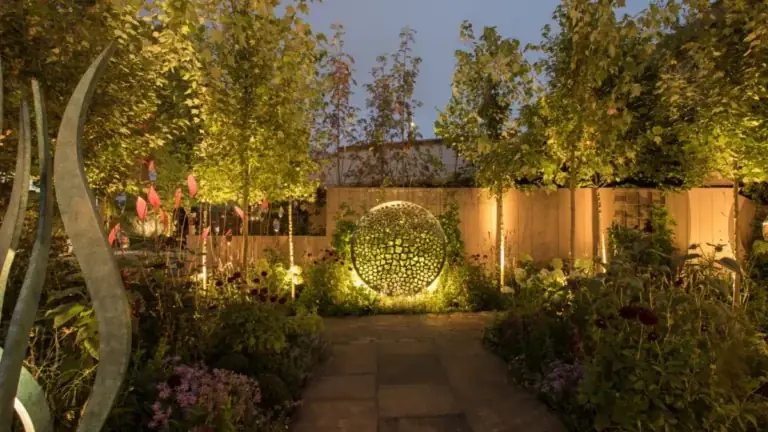
Elite corporate landscape design avoids flat, uniform illumination by stratifying light into architectural facade washes, wayfinding step lights, and flexible focal tree grazing, ensuring visual interest without visual clutter.
The Event-to-Security Transition Matrix
Corporate grounds serve dual purposes: secure perimeter protection during non-business hours and welcoming hospitality spaces during events. This framework governs how control systems shift lighting presets dynamically.
The Commercial Durability Threshold
High-traffic corporate grounds subject outdoor hardware to aggressive weed-whacker strikes, commercial lawn mowers, and heavy foot traffic. This model mandates recessed, heavy brass or structural bronze specifications for all grade-level fixtures.
Key Categories and Architectural Variations
Mastering the selection of the best landscape lighting for corporate hosting involves navigating distinct fixture categories, each engineered to address specific architectural functions and commercial environmental constraints.
Solid Forged Architectural Bronze Uplights
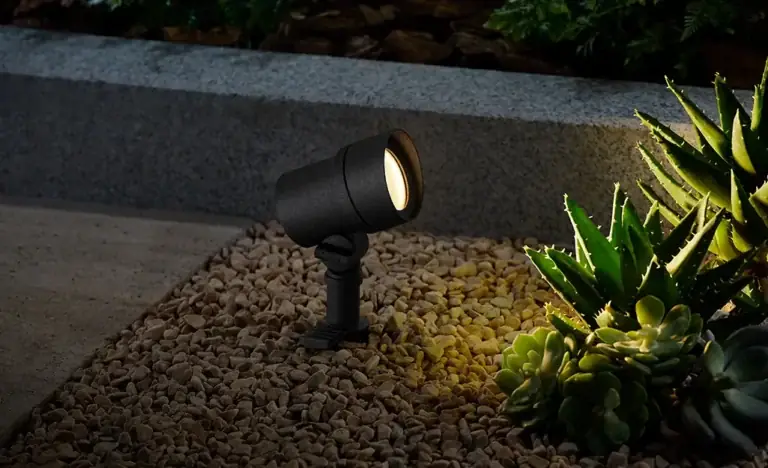
Employed to graze specimen trees, anchor courtyard focal points, and provide dramatic vertical backdrops for outdoor gala dining areas.
-
Trade-Offs: Exceptional structural durability and resistance to commercial landscaping equipment, but commands a high initial capital investment.
Heavy-Duty Recessed Well Lights with Cast-Brass Grates
Integrated directly into plaza paving, concrete walkways, and terrace perimeters to uplight architectural columns and structural entryways without creating tripping hazards.
-
Trade-Offs: Flush integration eliminates trip hazards and withstands foot traffic, but requires meticulous sub-grade drainage vaults to prevent water accumulation.
Low-Profile Dimmable Pathway Bollards
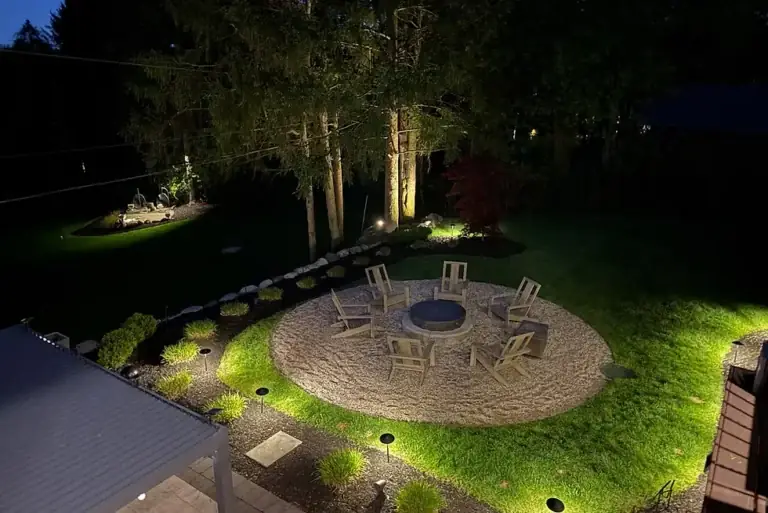
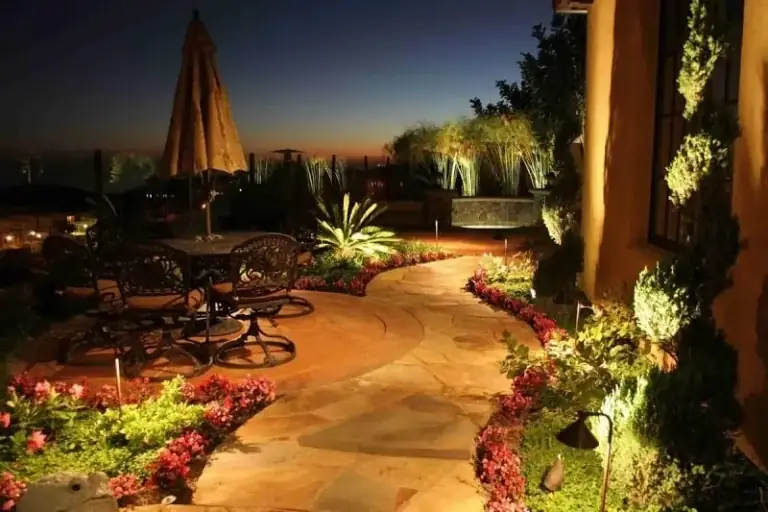
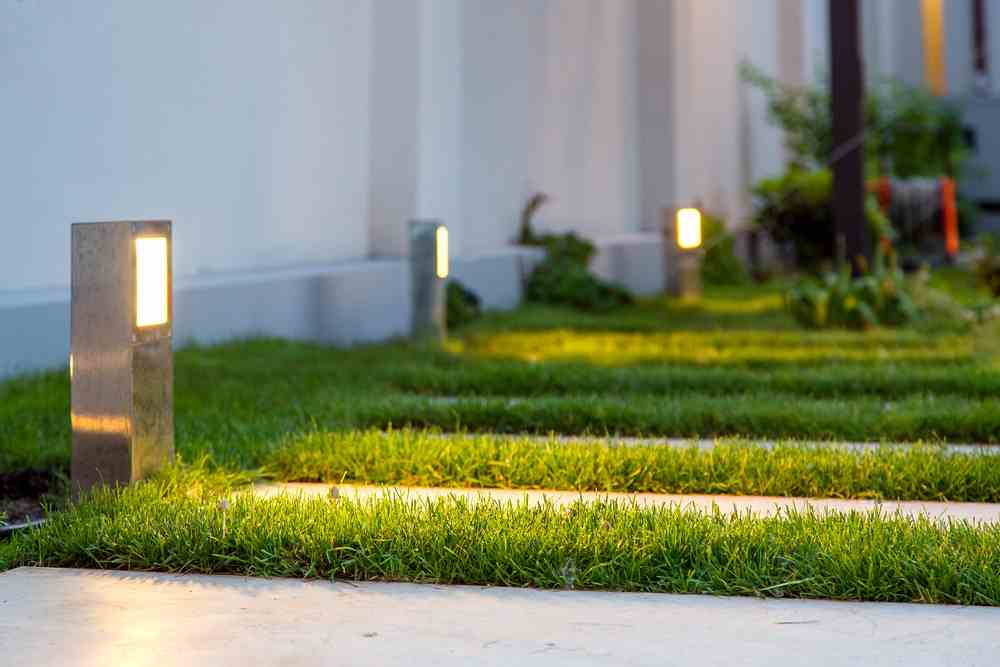
Installed along executive driveways, garden promenades, and parking transition paths to guide pedestrian traffic safely while shielding light emissions upward.
-
Trade-Offs: Excellent glare control and even horizontal foot-candle distribution, but requires secure core-drilled concrete mounting foundations.
RGBW Smart-Controlled Architectural Wash Fixtures
Integrated into perimeter hardscapes and feature walls to allow corporate event planners to instantly shift lighting hues to match corporate brand colors or gala themes.
-
Trade-Offs: Unmatched versatility for corporate branding and event customization, but introduces complex DMX signal routing and higher initial programming overhead.
Architectural Comparison Table
| Fixture Category | Primary Alloy Composition | Control Integration | Key Architectural Advantage | Primary Operational Limitation |
| Forged Bronze Uplights | Solid C37700 Architectural Bronze | Standard / Dimmable | Ultimate durability against lawn equipment | High upfront capital expense |
| Recessed Well Lights | Cast Brass / Stainless Steel Grate | Standard / Dimmable | Flush mount eliminates pedestrian hazards | Requires dedicated sub-grade drainage vaults |
| Pathway Bollards | Marine Bronze / Aluminum Core | Smart DMX / Zone Control | Excellent horizontal path wayfinding | Requires sturdy core-drilled footings |
| RGBW Wash Fixtures | Anodized Marine Aluminum | Advanced DMX / IoT Gateway | Dynamic corporate brand color matching | Complex network configuration overhead |
Realistic Decision Logic
When facility directors evaluate options for the best landscape lighting for corporate hosting across an enterprise headquarters, decision logic must prioritize mechanical durability and control flexibility above all else. If an installation team specifies lightweight commercial aluminum fixtures to reduce upfront capital expenses, routine grounds maintenance crews using string trimmers and zero-turn mowers will dent housings and sever wiring within months. Specifying solid forged brass luminaires and protected sub-grade conduits ensures long-term operational resilience under heavy corporate use.
Detailed Real-World Scenarios
Examining practical engineering scenarios illustrates how implementing the best landscape lighting for corporate hosting prevents operational failures and liability risks during major enterprise events.
Case Study A: The Silicon Valley Executive Pavilion Blackout Mitigation
Facility engineers addressed severe voltage drop and control signal interference across an expansive outdoor hosting terrace during a major annual investor conference in California.
-
Constraints: Large physical campus footprint exceeding 10 acres; heavy reliance on wireless smart controllers; dense canopy of mature oak trees blocking signals.
-
Decision Points: Engineers evaluated whether to upgrade existing consumer-grade wireless mesh relays or run a dedicated, hardwired DMX optical data backbone through subterranean conduits.
-
Failure Modes Identified: Initial installers used consumer wireless smart switches that suffered massive packet loss when thousands of guest mobile devices flooded the 2.4GHz spectrum during the corporate dinner.
-
Second-Order Effects: Lighting zones locked up mid-event, forcing facility staff to manually reset breakers in pitch darkness.
-
Resolution: Technicians excavated primary pathways to install shielded DMX data cables alongside heavy-gauge low-voltage power lines, establishing an interference-free wired control network.
Field Incident B: The Chicago Corporate Campus Drainage Failure
An enterprise headquarters in Illinois experienced widespread electrical short-circuits in its plaza recessed well lights following heavy spring rainstorms.
-
Constraints: High clay soil content with poor natural percolation; expansive concrete hardscapes; stringent corporate safety standards.
-
Decision Points: Planners assessed whether standard weep-hole drainage was sufficient or if sealed waterproof chambers connected to a central pump vault were mandatory.
-
Failure Modes Identified: Well lights were installed directly into clay soils without gravel sumps; water filled the housings and submerged the LED drivers, tripping the secondary circuit breakers.
-
Second-Order Effects: Key architectural entryways remained dark during an evening international executive reception, creating a negative brand impression and slip-and-fall safety hazards.
-
Resolution: Contractors excavated all well lights, installed deep crushed-stone drainage sumps beneath each housing, and upgraded to IP68 hermetically sealed LED light engines.
Operational Deployment C: The New York Estate Corporate Retreat Retrofit
Property managers evaluated competing proposals for upgrading a historic Hudson Valley estate used for private corporate board retreats and VIP client hosting.
-
Constraints: Strict local dark-sky zoning ordinances; historic preservation restrictions on building attachments; desire for warm 2700K hospitality aesthetics.
-
Decision Points: Management compared a high-output commercial floodlight system against a tightly focused, low-glare landscape grazing layout utilizing shielded brass fixtures.
-
Failure Modes Identified: High-output floodlighting violated municipal light pollution codes and created harsh glare that ruined the intimate evening atmosphere desired by board members.
-
Second-Order Effects: Neighboring estates filed formal light-trespass complaints with local zoning authorities.
-
Resolution: The property selected fully shielded brass uplights and low-level path bollards with deep cowls, achieving flawless security compliance and an upscale resort ambiance.
Planning, Cost, and Resource Dynamics
Administering an effective procurement and installation strategy for corporate landscape lighting requires balancing substantial upfront capital expenses against long-term operational and liability savings.
Direct and Indirect Financial Realities
When budgeting for the best landscape lighting for corporate hosting, facility planners must weigh initial equipment expenditures against the high labor cost of troubleshooting underground electrical faults and replacing damaged commercial fixtures. Specifying contractor-grade solid brass luminaires and centralized magnetic transformers eliminates chronic replacement cycles and unexpected event-night blackouts.
Opportunity Cost and Resource Allocation
Corporate real estate directors must balance daytime architectural aesthetics against nighttime event utility. Investing in high-end, discreetly styled fixtures ensures the grounds look pristine during daytime executive tours while delivering powerful, flexible illumination for nighttime hosting functions.
Financial and Resource Allocation Range Table
| System Tier or Scope | Initial Capital Investment | Maintenance Overhead | Expected Operational Lifespan | Corporate ROI & Risk Profile |
| Commercial Budget Tier | Low ($10,000 – $25,000) | High (Frequent component replacement) | 2 – 4 years | High risk of failure during major events |
| Standard Enterprise Tier | $30,000 – $75,000 | Moderate (Annual audits and cleaning) | 10 – 15 years | Balanced durability and cost efficiency |
| Flagship Corporate Estate Tier | $100,000 – $250,000+ | Low (Proactive preventive service) | 20+ years | Maximum brand prestige and zero downtime |
| Advanced DMX Smart Grid | Custom Bidding ($50k+) | Low to Moderate (Software support) | 8 – 12 years | Ultimate event flexibility and branding control |
Tools, Strategies, and Support Systems
Executing and managing elite lighting networks for corporate hosting requires specialized diagnostic instruments, control software platforms, and electrical testing hardware.
1. Enterprise IoT Lighting Management Portals
Facility managers use centralized cloud dashboards to schedule automatic event lighting presets, monitor power consumption, and run remote diagnostic tests across multi-building campuses.
2. True-RMS Digital Clamp Meters
Technicians utilize calibrated clamp meters during scheduled maintenance audits to measure operating current and verify voltage drop across extended commercial circuit runs.
3. IP68 Gel-Filled Compression Splices
Mandatory hardware utilized by commercial contractors to ensure below-grade wire connections survive aggressive soil moisture, lawn chemicals, and root intrusion.
4. DMX512 Network Protocol Testers
Specialized diagnostic tools used by lighting technicians to troubleshoot signal integrity, address channels, and verify communication between controllers and RGBW fixtures.
5. Multi-Tap Magnetic Commercial Transformers
Heavy iron-core transformers equipped with secondary voltage taps (12V, 13V, 14V) to actively compensate for line-loss voltage drop over long campus cable runs.
6. Digital Lux and Foot-Candle Meters
Precision light meters used to verify that pathway and entry illumination meets corporate safety standards and ADA compliance thresholds during evening hosting events.
Risk Landscape and Failure Modes
Failing to properly engineer and maintain commercial landscape lighting exposes corporate properties to compounding operational and legal risks.
Event-Night System Failures
Experiencing a major lighting blackout during a high-profile investor gala or board reception due to unmonitored circuit overloads or fragile wireless control connections.
Slip-and-Fall Liability Claims
Inadequate or uneven path illumination across parking transit zones and terrace steps significantly increases the risk of guest injuries and subsequent corporate litigation.
Turf Maintenance Equipment Damage
Failing to protect subterranean wire runs in shallow trenches leads to frequent cable severing by commercial aerators and lawn maintenance machinery.
Governance, Maintenance, and Long-Term Adaptation
Administering long-term control over corporate campus lighting networks requires disciplined operational reviews, seasonal protocols, and systematic tracking checklists.
-
Quarterly Electrical and Voltage Audits: Measure terminal voltage at the furthest fixture on every campus circuit leg every three months to verify system health.
-
Pre-Event Lighting Diagnostics: Run automated software diagnostics and visual inspections 48 hours prior to any scheduled major corporate hosting event.
-
Layered Maintenance Checklist:
-
Inspect transformer circuit breakers and astronomical timer automation schedules.
-
Clear organic debris and mulch buildup from fixture lenses and well-light drainage sumps.
-
Verify structural tightness of fixture knuckles against high winds and maintenance bumping.
-
Test DMX smart control network gateways and backup battery uninterruptible power supplies (UPS).
-
Measurement, Tracking, and Evaluation
Assessing the ongoing performance and reliability of the best landscape lighting for corporate hosting involves monitoring both qualitative and quantitative indicators.
Leading and Lagging Indicators
Leading indicators include stable terminal voltage readings above 11.5V at the furthest fixture, clean unoxidized wire splices, successful automated diagnostic test logs, and positive post-event guest feedback. Lagging indicators reflect management failures, including visible fixture damage from lawn care equipment, guest tripping incidents, circuit breaker trips during events, and emergency service repair invoices.
Common Misconceptions and Oversimplifications
1. Residential landscape lighting fixtures are robust enough for commercial corporate campuses.
Residential-grade aluminum fixtures and thin-gauge wire cannot withstand the rigors of commercial lawn maintenance equipment and high-density foot traffic.
2. Smart wireless lighting controls never fail and eliminate the need for hardwired data lines.
Wireless mesh networks are highly susceptible to signal interference from thousands of guest mobile devices during large corporate events.
3. High-intensity floodlighting creates the safest and most welcoming environment for evening hosting.
Harsh, unshielded floodlights create uncomfortable glare, wash out architectural details, and often violate municipal light pollution codes.
4. Well lights installed in paving require no special sub-grade drainage infrastructure.
Without proper crushed-stone drainage sumps, inground well lights flood during heavy rains, destroying internal LED drivers.
5. Landscape lighting once installed requires zero ongoing maintenance or adjustments.
Plant growth, soil settling, and seasonal weather shifts require continuous professional re-aiming and electrical auditing.
6. Corporate hosting illumination is purely functional and has no impact on brand perception.
Sophisticated, well-balanced exterior lighting enhances executive confidence, reinforces brand prestige, and sets an upscale tone for client interactions.
Ethical, Practical, and Contextual Considerations
Mastering the implementation of the best landscape lighting for corporate hosting extends beyond electrical engineering into responsible corporate citizenship and environmental stewardship. Enterprise properties carry a social obligation to minimize light pollution, protect local nocturnal ecosystems, and respect neighboring communities through thoughtful optical shielding. By specifying fully shielded luminaires, warm 2700K Kelvin color temperatures, and scheduled late-night dimming profiles, corporate real estate directors ensure their illuminated campuses project an image of sophisticated authority while maintaining rigorous environmental responsibility.
Conclusion
Mastering the engineering, design, and operational principles behind the best landscape lighting for corporate hosting is essential for achieving long-term architectural and brand success. Relying on consumer-grade hardware, uncalculated cable runs, and fragile wireless controls guarantees operational failure during critical enterprise events. By investing in solid forged brass fixtures, hardwired DMX data backbones, multi-tap magnetic transformers, and rigorous preventative maintenance protocols, corporate real estate managers secure a resilient, breathtaking outdoor lighting infrastructure. Ultimately, professional planning transforms corporate campus illumination from a maintenance liability into a permanent, highly authoritative asset for executive hosting.