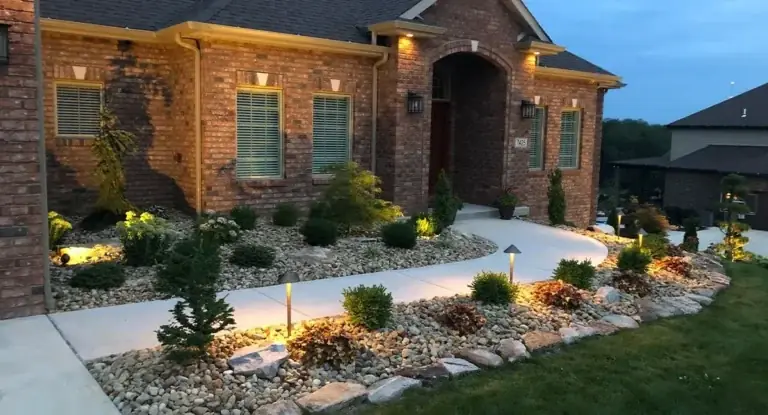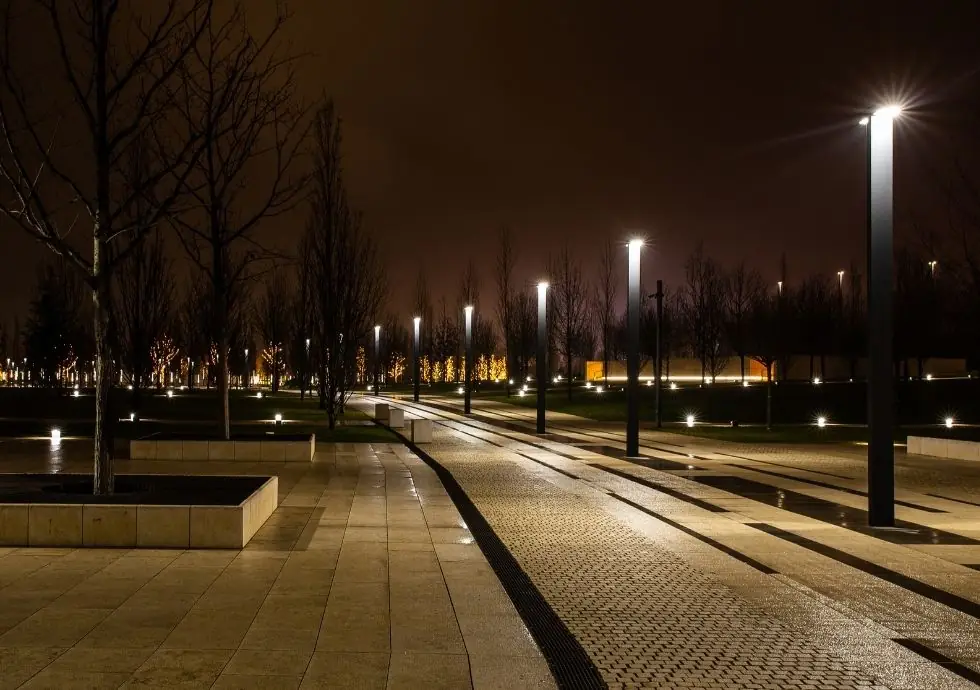
Common Landscape Lighting Mistakes: Expert Avoidance Guide
The architectural nightscape of contemporary residential and commercial properties demands far more than rudimentary outdoor electrical planning. Modern exterior design requires a sophisticated discipline of optical physics, electrical load engineering, and psychological spatial balance. Property managers and estate owners view exterior illumination as a permanent systemic asset that demands absolute technical precision. Furthermore, they demand glare mitigation, dark-sky compliance, and seamless integration with complex hardscape and softscape topologies.
Executing durable low-voltage electrical infrastructure across intricate property boundaries requires navigating strict technical parameters. Specifically, voltage drop calculations across long wire runs dictate transformer sizing and cable gauge selection, preventing resistive power loss that quietly ruins lighting performance. Meanwhile, dark-sky compliance mandates protect nocturnal ecosystems while eliminating obnoxious light trespass across neighboring parcels. Without rigorous photometric planning and professional wire management, ambitious exterior lighting installations fall victim to frequent failures and aesthetic degradation.
Achieving optimal results requires balancing aesthetic ambition against municipal regulations and long-term maintenance realities. Every single component—from toroidal core multi-tap transformers to marine-grade brass fixture housings—determines structural and electrical longevity. Therefore, this comprehensive reference manual provides an exhaustive examination of the structural, electrical, and human errors that constitute common landscape lighting mistakes across modern property developments.
Understanding “common landscape lighting mistakes”
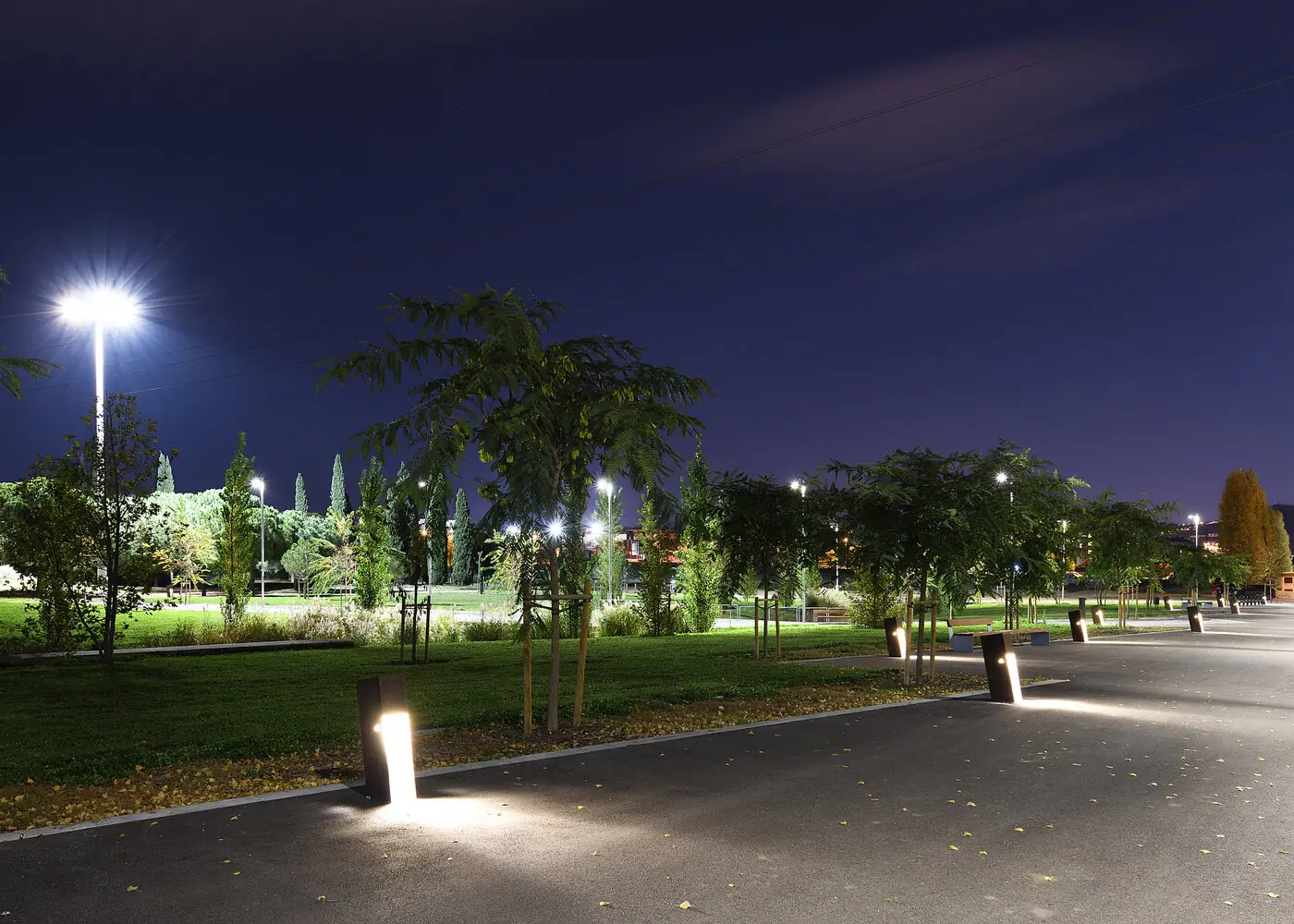
The pursuit of mastery in avoiding common landscape lighting mistakes requires looking past surface-level aesthetic preferences. Instead, practitioners must master the physics of luminous efficacy, beam spread geometry, and circuit voltage drop. A common misconception treats residential outdoor lighting as a casual decorative exercise where more illumination automatically equates to a better result. Consequently, this ignores the complex optical glare and light pollution issues created by unshielded floodlights and over-lit pathways. When properties are flooded with excessive lumens, architectural depth is washed out and nocturnal comfort is destroyed.
Oversimplification frequently stems from applying uniform design templates across diverse property topologies. While a simple daisy-chain circuit suffices for a tiny garden bed, sprawling commercial estates require sophisticated zone wiring, multi-tap transformers, and precise optical cowls to control light distribution. Furthermore, learning how to avoid common landscape lighting mistakes demands rigorous coordination with municipal dark-sky codes and electrical safety standards. Many installations fail because planners neglect to calculate total circuit amperage and wire resistance, resulting in flickering lamps and tripped breakers. Consequently, planners must integrate professional voltage calculations and photometric mapping directly into the initial blueprint.
Another layer of complexity involves harmonizing human psychological comfort with functional safety illumination. Because modern parcels feature intricate pathways, level changes, and water features, site planning must account for dark adaptation and glare reduction rather than blinding brightness. Therefore, evaluating effective design strategies requires reconciling broad architectural visions with strict electrical and optical realities.
Deep Contextual Background
The evolution of residential and commercial exterior illumination reflects broader shifts in semiconductor technology, electrical engineering, and architectural design standards. During the mid-twentieth century, outdoor lighting was largely primitive and plagued by severe inefficiencies. Master plans favored high-voltage 120-volt incandescent floodlights mounted directly onto exterior walls. These systems consumed massive amounts of electricity, generated extreme heat, and attracted swarming insects due to broad-spectrum ultraviolet emissions.
As the lighting industry transitioned to low-voltage 12-volt halogen systems in the late twentieth century, optical control improved, but energy consumption remained stubbornly high. Halogen lamps drew significant amperage, forcing property owners to install large transformers and heavy wire networks that escalated installation and operational challenges. The subsequent arrival of solid-state light-emitting diode technology revolutionized the field entirely. LEDs provided unprecedented luminous efficacy, drastically cutting wattage demands while extending operational lifespans from thousands to tens of thousands of hours.
Today, the industry operates at the intersection of electrical engineering, smart-home automation, and photometric software modeling. Modern design firms utilize advanced digital simulation tools to optimize fixture placement, ensuring maximum visual impact without committing common landscape lighting mistakes that plague amateur installations. This systemic shift transformed basic backyard security lighting into a highly disciplined science of optical and electrical engineering.
Conceptual Frameworks and Mental Models
Evaluating and executing high-end exterior lighting projects benefits from structured analytical models isolating electrical, optical, and psychological variables.
-
The Photometric Glare Index measures candela output and shielding angles to prevent offensive light trespass and blinding lateral glare along walkways.
-
The Voltage Drop Threshold Vector calculates copper conductor resistance against run length to ensure remote fixtures maintain operating voltages between 10.8V and 11.5V.
-
The Luminous Layering Hierarchy organizes exterior illumination into distinct functional bands—ambient, accent, and task—preventing flat, uninspired property flooding.
-
The Subterranean Moisture Isolation Model tracks dielectric grease application and heat-shrink encapsulation to eliminate ground faults before they occur.
Key Categories or Variations
Architectural exterior illumination errors span several distinct structural classifications. Each presents specific trade-offs regarding visual impact, installation complexity, and long-term reliability.
| Architectural Error Category | Primary Technical Defect | Core Aesthetic Consequence | Primary Remediation Strategy |
| Tier 1: Runway Path Lighting | Spacing small mushroom fixtures in an evenly spaced linear grid | Creates an aggressive airport runway effect along garden walks. | Utilize asymmetric spread optics and irregular, staggered fixture placement. |
| Tier 2: Unshielded Glare Floods | Pointing high-output bullet floods upward without cowls or louvers | Blinds residents and visitors, destroying night vision and privacy. | Install deep glare shields, honeycomb louvers, and downward directional mounts. |
| Tier 3: Undersized Copper Cabling | Running thin 14-gauge wire across long multi-fixture circuits | Causes severe voltage drop, dim lamps, and premature LED driver burnout. | Upgrade to heavy-duty 10-gauge or 12-gauge direct-burial copper conductors. |
| Tier 4: Over-Illumination (Light Pollution) | Blasting excessive lumens against building facades and blank walls | Washes out architectural texture, wastes energy, and violates dark-sky codes. | Implement narrow-beam spot optics, dimmer controls, and lower-lumen modules. |
When professionals evaluate common landscape lighting mistakes, they must align design corrections with site-specific scale and architectural styles. Runway path lighting destroys natural evening shadows, requiring irregular, staggered placement to restore organic depth. Conversely, unshielded glare floods blind observers, demanding deep cowls and precise downward aiming angles. Meanwhile, undersized copper cabling starves remote fixtures of power, necessitating heavy-gauge conductor replacements.
Detailed Real-World Scenarios
Understanding how exterior lighting errors manifest under environmental stress requires examining specific situational archetypes across diverse residential environments.
The Suburban Runway Path Light Failure
-
Operational Constraints: A residential property featured thirty identical mushroom path lights installed in a rigid, evenly spaced straight line along the front walkway.
-
Core Decision Points: The landscape team evaluated the monotonous visual impact and excessive fixture density that created an unnatural airport runway appearance.
-
Failure Modes: Maintaining the rigid grid pattern while adding more fixtures would have worsened the glaring, repetitive visual clutter.
-
Second-Order Effects: Contractors removed half the fixtures, re-routed the wiring to allow staggered asymmetrical placement, and swapped the omnidirectional bulbs for cowled asymmetric spread optics.
The Commercial Glare Floodlight Dispute
-
Operational Constraints: A corporate office park installed powerful unshielded floodlights to highlight its front facade, triggering intense complaints from neighboring residential homeowners regarding light trespass.
-
Core Decision Points: Facilities management hired an architectural lighting consultant to audit the installation against local municipal ordinances.
-
Failure Modes: Leaving the unshielded floodlights operational risked heavy municipal fines and ongoing legal disputes with adjacent property owners.
-
Second-Order Effects: The team replaced the broad floodlights with narrow-beam precision up-lights equipped with internal honeycomb louvers and top-visor cowls, completely eliminating light trespass.
The Undersized Cable Voltage Drop Crisis
-
Operational Constraints: A luxury estate owner experienced severe lamp dimming and flickering across the furthest garden zones of an extensive backyard lighting layout.
-
Key Structural Solutions: Electricians measured terminal voltage and discovered that thin 14-gauge wire running 250 feet from the transformer had dropped operating voltage to 8.9 volts.
-
Failure Modes: Ignoring the voltage drop would have permanently burned out the electronic LED drivers due to erratic current fluctuations.
-
Second-Order Effects: Technicians trenched a new parallel trunk line using heavy 10-gauge stranded copper cable and rebalanced the fixture loads across a multi-tap magnetic transformer.
The Subterranean Splice Corrosion Outage
-
Operational Constraints: A coastal residential property suffered from intermittent total system blackouts every time heavy seasonal rains saturated the garden beds.
-
Core Decision Points: Technicians excavated the main wire splices and discovered that standard twist-on wire nuts buried directly in wet soil had corroded completely.
-
Failure Modes: Utilizing unsealed twist-on connectors in damp outdoor soil guarantees capillary moisture ingress and permanent short circuits.
-
Second-Order Effects: The repair crew cut out all corroded wire sections, re-terminated every connection using adhesive dual-wall heat-shrink tubing, and elevated main splices into waterproof above-ground junction boxes.
Planning, Cost, and Resource Dynamics
Avoiding common landscape lighting mistakes involves navigating complex financial structures extending far beyond basic retail fixture purchases. Total project expenditures must account for high-grade magnetic transformers, heavy-gauge direct-burial cables, professional optical accessories, and skilled installation labor.
| Financial Variable | Average Baseline Range | Primary Cost Drivers & Variability |
| Professional Photometric Design & Audit | $1,000 to $4,000 per site | Property scale, 3D modeling complexity, dark-sky compliance analysis. |
| Commercial-Grade Solid Brass Fixtures | $200 to $650+ per fixture | Material metallurgy, integrated LED modules, optical accessories. |
| Heavy-Duty Copper Cabling (1000 ft) | $250 to $900 per spool | Conductor gauge (10 AWG vs 12 AWG), stranded vs solid, UV rating. |
| Remediation & Rewiring Labor | $2,000 to $8,000 project total | Trenching depth, hardscape boring, legacy system extraction. |
The primary financial consideration in avoiding common landscape lighting mistakes involves balancing upfront hardware costs against long-term maintenance and remediation expenses. Attempting to save money by purchasing cheap retail fixtures and thin wire guarantees premature failure, expensive troubleshooting, and total system replacement within a few short years. Stakeholders who prioritize true fiscal efficiency allocate capital toward commercial-grade components and professional design planning during the initial phase.
Tools, Strategies, and Support Systems
Navigating the execution of flawless landscape lighting installations requires specialized electrical testing hardware and optical design software.
-
Digital True-RMS Multimeters measure operating voltage at socket terminals to verify that voltage drop remains within acceptable 10.8V to 11.5V limits.
-
Digital Insulation Resistance Testers (Megohmmeters) apply high test voltage to detect hidden moisture intrusion in subterranean wire splices before failures occur.
-
Photometric Lighting Design Software simulates exact foot-candle distribution and glare angles across digital property models.
-
Industrial Heat Guns activate adhesive-lined dual-wall heat-shrink tubing, creating hermetic, waterproof seals around copper splices.
-
Vibratory Cable Plows install direct-burial low-voltage wire underground without destroying established turf lawns.
-
Professional Glare Shields and Honeycomb Louvers control light beam cutoffs and eliminate lateral light spill.
Risk Landscape and Failure Modes
Even meticulously planned landscape lighting systems remain vulnerable to systemic technical, environmental, and electrical failure modes if installation errors are repeated.
-
Capillary Moisture Ingress: Water traveling inside stranded copper wire bundles under soil pressure causes internal oxidation and tracking shorts.
-
Thermal Driver Breakdown: Operating LED lamps in unventilated or poorly heat-sunk fixtures causes internal temperatures to spike, shortening operational life.
-
Landscape Maintenance Shear: Commercial trimmers, edgers, and aerators strike shallow or exposed wires, creating direct dead shorts across circuits.
-
Photometric Light Trespass: Failing to shield up-lights properly causes illegal light pollution, violating municipal codes and angering neighbors.
Governance, Maintenance, and Long-Term Adaptation
Maintaining elite architectural standards across exterior lighting installations requires disciplined operational governance and ongoing seasonal review cycles. Plant growth, architectural modifications, and seasonal time shifts gradually alter lighting angles, plant obstructions, and electrical loads. Therefore, property managers and homeowners must adhere to formal inspection protocols. Annual fixture alignment checks, terminal voltage audits, and lens cleaning preserve long-term asset integrity.
This proactive governance model ensures that overgrown foliage blocking light beams or shifting ground freezing is managed before compromising the nighttime aesthetic. Regular checks of waterproof connections and timer schedules prevent environmental stress from disrupting system performance.
Measurement, Tracking, and Evaluation
Assessing the ongoing success of an exterior lighting installation involves monitoring objective electrical metrics alongside qualitative aesthetic appraisal indicators.
-
Leading Indicators: Verified terminal voltage test logs (11.0V to 11.5V at furthest fixture), approved dark-sky compliance checks, and robust multi-tap transformer capacity margins.
-
Lagging Indicators: Zero electrical short circuits over multiple freeze-thaw cycles, pristine fixture finish stability, and reliable automated transformer operation without nuisance trips.
-
Qualitative Signals: Exceptional balance of shadow and light across architectural facades, complete absence of blinding glare along pathways, and seamless nighttime visual depth.
Common Misconceptions and Oversimplifications
-
Myth: Avoiding common landscape lighting mistakes simply means buying more expensive fixtures from high-end retail showrooms.
Correction: High-end fixtures still fail if they are improperly wired, poorly aimed, or selected with incorrect beam spread optics for the site architecture.
-
Myth: Low-voltage 12-volt systems do not require careful wire gauge calculations as long as the total wattage is low.
Correction: Long wire runs experience severe voltage drop regardless of total wattage, requiring proper 12-gauge or 10-gauge copper selection to prevent dim lamps.
-
Myth: Blasting powerful floodlights across a backyard provides superior security and eliminates dark hiding spots.
Correction: Excessive floodlighting creates harsh shadows and blinding glare that actually impair visibility and attract unwanted attention.
-
Myth: Standard twist-on wire nuts provide a permanent waterproof connection for direct-burial low-voltage cables.
Correction: Subterranean moisture corrodes standard wire nuts instantly; connections require silicone gel-filled caps or adhesive heat-shrink tubing.
Ethical, Practical, and Contextual Considerations
Beyond pure aesthetic enjoyment and property safety, responsible landscape lighting design respects municipal dark-sky initiatives, nocturnal wildlife habitats, and neighboring property privacy. Excessive, unshielded illumination wastes energy while disrupting local ecosystems and contributing to urban sky glow. Therefore, professional planning mandates utilizing fully shielded 2700K warm-spectrum fixtures that direct light strictly downward. Furthermore, incorporating motion sensors and astronomical zoning timers minimizes unnecessary energy consumption during late-night hours.
Conclusion
The successful planning, engineering, and execution of elite exterior illumination projects require careful avoidance of common landscape lighting mistakes. True architectural longevity is achieved not through hasty fixture placement or over-illumination, but through rigorous adherence to voltage drop calculations, heavy-gauge copper selection, dark-sky optical control, and professional waterproof encapsulation. By evaluating lighting choices through comprehensive technical frameworks, property owners establish permanent, efficient, and refined nighttime environments that stand the test of time.