
Landscape Lighting Loyalty Plans Expert Guide
Residential and estate architecture across North America increasingly depends on complex low-voltage exterior illumination systems to define perimeters, accentuate architectural textures, and secure outdoor living zones. Yet, executing a pristine nightscape represents only the initial phase of property stewardship. Once embedded in subterranean soils and exposed to seasonal weather extremes, these high-end electrical networks face constant environmental degradation from soil shifting, moisture migration, and aggressive landscaping activities.
To safeguard these capital investments against premature component failure, property owners and elite contractors frequently transition from reactive repair models to structured recurring retention frameworks. These long-term administrative arrangements redefine how properties manage maintenance, warranties, and systematic electrical evaluations over decades of operation.
This reference manual provides an exhaustive structural and operational framework for evaluating, structuring, and administering long-term service agreements. The following sections dissect environmental risk vectors, contract typologies, and administrative methodologies essential for identifying and executing landscape lighting loyalty plans. Through rigorous analysis of electrical parameters, component metallurgy, and long-term asset stewardship, this guide establishes a definitive standard for outdoor lighting management.
Understanding landscape lighting loyalty plans
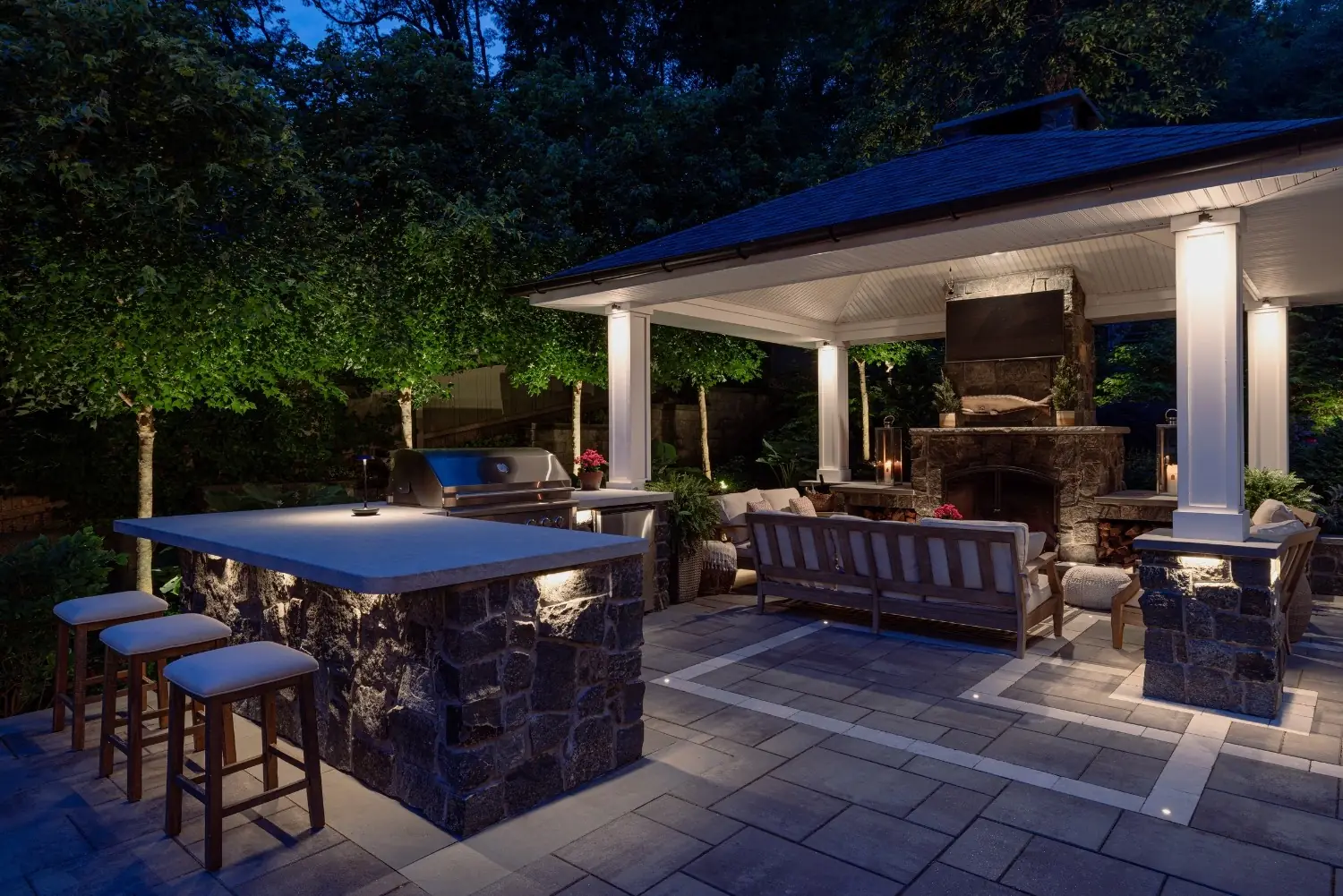
At its core, examining landscape lighting loyalty plans requires looking beyond standard customer retention discounts to evaluate the depth of technical auditing, priority dispatch privileges, and hardware warranty extensions embedded in the agreement. A comprehensive retention framework functions as a binding pact between property owner and specialist contractor, ensuring that transformers, sub-grade wire splices, and luminaire drivers receive continuous, scheduled engineering oversight.
A common misunderstanding frames retention agreements as basic marketing loyalty perks designed solely to lock clients into recurring billing cycles. This oversimplification assumes that enrollment provides little more than a routine dusting of optical fixtures and minor timer adjustments. In reality, structured multi-year agreements establish formal protocols for tracking electrical resistance changes, monitoring LED driver thermal loads, and executing proactive sub-grade splice reinforcements before environmental stress causes systemic failure.
Relying on ad-hoc, call-as-needed repair models introduces severe logistical vulnerabilities and inflated costs. When property owners attempt to secure technician availability during peak seasonal rushes or prior to major holiday events, they frequently encounter scheduling bottlenecks. Landscape lighting loyalty plans eliminate this friction by locking in priority service windows, guaranteeing labor rates, and securing long-term technical continuity for the property’s exterior electrical ecosystem.
Deep Contextual Background
The evolution of structured client retention frameworks in the specialty outdoor lighting industry mirrors the broader maturation of residential electrical engineering over the past forty years. During the era of high-voltage 120-volt incandescent floodlights, exterior maintenance was handled primarily by general electricians under traditional hourly service rates. Systems were rigid, heavy, and prone to abrupt ground-fault interruptions, making routine homeowner upkeep rare and specialized retention contracts virtually non-existent.
The widespread adoption of low-voltage 12-volt and 24-volt architectures transformed the market by introducing safe, flexible power distribution networks. Property owners could suddenly install and manipulate fixtures without heavy trenching. Unfortunately, this accessibility fostered widespread neglect. Installers frequently walked away after initial setup, leaving clients with vulnerable wire splices and unmonitored transformers that gradually succumbed to soil settling and turf maintenance damage.
The subsequent transition to solid-state electronics and smart-home cloud integration created an urgent need for specialized ongoing management. Modern systems incorporate complex Wi-Fi transformers, multi-zone dimming modules, and sensitive LED drivers that require software updates, photocell calibration, and precise voltage balancing. Consequently, contemporary landscape lighting loyalty plans emerged not merely as marketing initiatives, but as critical technical asset management protocols designed to protect high-capital outdoor investments against complex environmental decay.
Conceptual Frameworks and Mental Models
Administering and evaluating long-term retention agreements requires structured mental models that account for electrical degradation, material fatigue, and environmental exposure over extended multi-year horizons.
The Cumulative Electrical Aging Model
This model views an outdoor lighting network as a dynamic system where electrical resistance accumulates steadily due to soil compaction, thermal expansion, and oxidation. Retention plans must account for this by scheduling periodic voltage-drop measurements at terminal sockets to catch resistance bottlenecks before they damage sensitive drivers.
The Proactive Interception Horizon
Emergency repairs are exponentially more expensive and disruptive than scheduled preventive maintenance. This mental model dictates that routine service visits under a retention agreement intercept minor vulnerabilities—such as exposed wire insulation or shifting fixture mounts—long before they manifest as total circuit outages during severe weather events.
The Galvanic Isolation Standard
Underground wire connections act as active electrochemical cells when exposed to soil moisture and dissimilar metals. Multi-year retention frameworks must be evaluated based on their commitment to maintaining hermetic seals, utilizing silicone-filled gel caps, and replacing compromised splices proactively rather than waiting for failure.
The Botanical Growth Interlock
Landscape lighting does not exist in a vacuum; living plant material expands continuously. This model requires service agreements to integrate scheduled plant pruning and fixture repositioning to ensure that growing foliage does not obstruct beam spreads or trap destructive thermal heat against luminaire housings.
Key Categories and Architectural Variations
Structuring and contrasting long-term service agreements involves navigating several distinct tier levels and administrative frameworks, each carrying specific operational trade-offs for property owners.
Bronze Tier: Basic Preventive Maintenance Agreements
These entry-level retention frameworks typically cover one annual visit focused on surface cleaning, basic bulb testing, timer adjustments, and minor fixture straightening.
-
Trade-Offs: Low annual retainer cost, but excludes comprehensive sub-grade diagnostics, free hardware replacements, and emergency labor dispatch.
Silver Tier: Standard Proactive Retention Contracts
Mid-tier agreements provide bi-annual comprehensive audits, discounted replacement parts, standard labor coverage for minor repairs, and moderate scheduling priority.
-
Trade-Offs: Balanced annual cost, but may require supplementary billing for major component overhauls or complex wiring re-runs.
Gold Tier: Comprehensive VIP Loyalty Plans
High-tier agreements combine bi-annual comprehensive audits, unlimited priority service calls, zero labor charges for repairing damaged lines or replacing failed components, and extended parts warranties.
-
Trade-Offs: Substantial annual financial retainer, but eliminates unexpected repair bills and guarantees long-term system optimization.
Platinum Tier: Estate Master Retention Portfolios
Tailored for large-scale architectural compounds and multi-phase developments, these custom corporate agreements mandate quarterly inspections, dedicated technician teams, and emergency standby response.
-
Trade-Offs: Major financial commitment, but provides absolute operational priority and cost predictability for massive commercial-grade developments.
Architectural Comparison Table
| Retention Tier | Typical Annual Retainer | Visit Frequency | Parts & Labor Inclusions | Primary Risk Mitigation |
| Bronze Preventive | $300 – $600 | 1 visit annually | Labor for cleaning; parts billed extra | Prevents surface aesthetic decay |
| Silver Proactive | $700 – $1,500 | 2 visits annually | Discounted parts / standard labor | Prevents minor circuit failures |
| Gold VIP Plan | $1,600 – $3,500 | 2-4 visits annually | Fully inclusive of routine parts/labor | Eliminates unexpected downtime |
| Platinum Estate | $4,000 – $10,000+ | Quarterly / Custom SLA | Enterprise SLA with dedicated crew | Protects high-value capital assets |
Realistic Decision Logic
When property stewards evaluate landscape lighting loyalty plans, decision logic must center on regional climate severity and system complexity. If a property is located in an alpine climate subject to severe frost heaves and heavy summer landscaping activity, opting for a basic bronze preventive plan leaves the system dangerously exposed. The property owner must invest in a gold or platinum tier that guarantees sub-grade connection checks and physical fixture re-anchoring to prevent severed cables and driver burnout.
Detailed Real-World Scenarios
Examining practical retention management scenarios illustrates how structured multi-year agreements prevent operational failures across diverse real-world properties.
Case Study A: The Suburban Estate Voltage Cascade
A suburban property featuring forty cast-brass luminaires experiences intermittent flickering across multiple backyard accent zones during damp autumn weather.
-
Constraints: Dense clay soil; heavy lawn aeration scheduled for mid-October; aging direct-burial wire splices installed three years prior.
-
Decision Points: The homeowner enrolls in a gold-tier retention plan rather than calling an independent electrician for an emergency diagnostic fee.
-
Failure Modes Identified: The routine autumn audit detects a compromised sub-grade gel splice where moisture has migrated into the copper strands, causing a partial short circuit.
-
Second-Order Effects: Left unaddressed, the resistance would have completely fried the upstream transformer’s secondary circuit board within weeks, requiring an expensive full-unit replacement.
-
Resolution: The visiting technician excises the degraded splice, installs a fresh dual-wall heat-shrink waterproof connector, and re-balances the transformer voltage taps at zero out-of-pocket labor cost to the client.
Field Incident B: The Coastal Salt-Air Corrosion Breach
An oceanfront property along the Northeast coast utilizes a premium lighting system equipped with cast aluminum housings and unmonitored smart transformers.
-
Constraints: High atmospheric salinity; aggressive wind-driven fog; complex multi-zone software controls.
-
Decision Points: The property manager executes a platinum estate retention contract to oversee both hardware and software health quarterly.
-
Failure Modes Identified: Routine quarterly inspection uncovers aggressive salt pitting on fixture fasteners and Wi-Fi signal attenuation inside the main transformer housing.
-
Second-Order Effects: Severe oxidation threatens to freeze the thumbscrew mechanisms, making future optical adjustments impossible, while firmware outdatedness causes zone synchronization dropouts.
-
Resolution: Technicians replace all standard fasteners with passivated marine-grade stainless steel, apply protective anti-seize lubricant, and execute local firmware patches under the master contract terms.
Operational Deployment C: The Commercial-Grade Multi-Zone Resort
A sprawling hospitality compound features over two hundred architectural uplights, path lights, and underwater pool fixtures managed through a centralized multi-tap power hub.
-
Constraints: Constant public foot traffic; heavy commercial landscaping schedules; zero tolerance for evening illumination failure.
-
Decision Points: Management selects an enterprise-level platinum retention agreement mandating monthly physical walkthroughs and priority four-hour emergency response.
-
Failure Modes Identified: A commercial string trimmer clips a shallow main trunk line hidden beneath decorative mulch during routine groundskeeping.
-
Second-Order Effects: An entire quadrant of the resort’s exterior lighting goes dark, threatening evening guest safety and aesthetic ambiance.
-
Resolution: Because the retention plan includes emergency priority dispatch, a technician arrives within two hours, locates the severed cable using tone-tracing equipment, and restores the circuit before evening operations commence.
Planning, Cost, and Resource Dynamics
Administering an effective multi-year service strategy requires understanding the economic relationship between annual retainer fees and catastrophic repair expenses.
Direct and Indirect Financial Realities
While paying an annual retainer for landscape lighting loyalty plans represents an ongoing operational expense, it consistently undercuts the cumulative cost of ad-hoc emergency repairs. When a neglected system suffers a catastrophic transformer burnout or widespread underground short-circuiting, the emergency diagnostic labor and component replacement costs far exceed the price of a multi-year retention contract. Furthermore, proactive maintenance extends the functional lifespan of high-end brass luminaires and LED drivers, maximizing return on initial capital expenditure.
Opportunity Cost and Resource Allocation
Property stewards must balance the administrative overhead of managing third-party contractors against the peace of mind provided by automated service scheduling. Enrolling in a top-tier loyalty framework eliminates the burden of tracking down reliable technicians, vetting insurance credentials, and sourcing specialized replacement parts. The contractor assumes full lifecycle tracking responsibility for the installation.
Financial and Resource Allocation Range Table
| Retention Tier Level | Annual Retainer Cost Range | Visit Frequency | Included Labor & Parts Coverage |
| Bronze Preventive | $300 – $600 / year | 1 visit annually | Labor for cleaning/adjusting; parts billed separately |
| Silver Proactive | $700 – $1,500 / year | 2 visits annually (Spring/Fall) | Standard diagnostic labor; minor parts discounted |
| Gold VIP Plan | $1,600 – $3,500 / year | 2-4 visits annually | Fully inclusive of routine parts and priority labor |
| Platinum Estate | $4,000 – $10,000+ / year | Monthly or quarterly custom SLA | Enterprise SLA with dedicated technical team |
Tools, Strategies, and Support Systems
Maximizing the effectiveness of long-term service agreements requires specialized diagnostic instruments, software platforms, and logistical support systems.
1. Digital True-RMS Multimeters
Technicians utilize calibrated multimeters during retention visits to measure operational voltage directly at luminaire sockets under full system load, ensuring operating parameters remain within the ideal 10.8V to 11.6V window.
2. Sub-Grade Cable Locators and Tone Generators
When subterranean wire breaks occur due to landscaping damage or rodent chewing, technicians use electromagnetic tone generators to trace buried cable paths without excavating established turf.
3. CRM and Automated Service Scheduling Portals
Leading contractors utilize cloud-based customer relationship management software to automate semi-annual service reminders, track historical fixture inventories, and log past maintenance notes across multi-year contracts.
4. Direct-Burial Heat-Shrink and Gel Tooling
Standard retention service kits must include industrial-grade, adhesive-lined heat-shrink tubing and pre-filled silicone gel wire nuts to guarantee watertight hermetic seals during field wiring repairs.
5. Multi-Tap Transformer Load Testers
Specialized testing units allow technicians to verify transformer core temperature, secondary amperage draw, and breaker trip thresholds across individual lighting zones during routine visits.
6. Optical Lux and Beam Angle Meters
For elite estate properties enrolled in high-tier plans, technicians employ photometers to measure foot-candle output and ensure that architectural accent lighting maintains its intended dramatic contrast over time.
Risk Landscape and Failure Modes
Failing to maintain a structured multi-year retention agreement exposes exterior electrical networks to compounding physical and environmental risk vectors.
Thermal Runaway in Overloaded Transformers
Without regular amperage audits scheduled through landscape lighting loyalty plans, adding fixtures to an existing circuit over time can push a transformer past its 80 percent safe operating capacity. This overage generates excessive core heat, degrading internal windings and risking permanent burnout.
Capillary Moisture Migration in Spliced Lines
When sub-grade wire splices degrade, soil moisture uses capillary action to travel through copper strands inside the cable jacket. This silent migration corrodes downstream LED drivers yards away from the original entry point, causing unpredictable system failures.
Botanical Encroachment and Thermal Trapping
Unmanaged plant growth can engulf low-voltage luminaires, blocking light output while trapping heat against the fixture housing. This thermal insulation accelerates internal LED degradation and shortens component lifespans.
Governance, Maintenance, and Long-Term Adaptation
Administering long-term asset stewardship requires disciplined operational reviews, seasonal adjustment protocols, and systematic tracking checklists.
-
Semi-Annual Diagnostic Audits: Conduct comprehensive voltage tests and connection inspections every spring and autumn to align with seasonal turf cycles and daylight adjustments.
-
Firmware and Cloud Security Reviews: Inspect smart transformer connectivity, app permissions, and automated scheduling parameters quarterly to prevent network dropouts.
-
Layered Maintenance Checklist:
-
Verify photocell sensor cleanliness and astronomical timer synchronization.
-
Inspect sub-grade junction vaults for standing water or mud accumulation.
-
Check mounting stem stability and retighten ground stakes loosened by frost heave or foot traffic.
-
Examine exposed cable sections for UV degradation, string-trimmer nicking, or rodent damage.
-
Measurement, Tracking, and Evaluation
Assessing the ongoing performance and commercial value of multi-year retention agreements involves monitoring both qualitative and quantitative indicators.
Leading and Lagging Indicators
Leading indicators include stable multi-tap voltage readings at terminal sockets, completely dry interior gel splices during audits, and flawless automated switching schedules. Lagging indicators reflect past maintenance neglect, such as frequent transformer breaker trips, corroded fixture housings, and unexpected emergency repair invoices.
Common Misconceptions and Oversimplifications
1. Solid-state LED landscape lighting systems are entirely maintenance-free over their lifetime.
While LED bulbs boast long nominal lifespans, the surrounding wiring, sub-grade splices, transformers, and optical housings require active physical upkeep to function correctly.
2. Any local electrician can service specialized low-voltage landscape lighting networks under a standard contract.
General electricians often lack specialized knowledge of landscape lighting voltage drop dynamics, direct-burial waterproofing techniques, and architectural optical aiming.
3. Purchasing an extended product manufacturer warranty eliminates the need for a service plan.
A manufacturer warranty covers defective parts, but it does not cover the labor costs of troubleshooting subterranean faults, excavating turf, or replacing items damaged by landscaping accidents.
4. Basic lawn care contractors can safely maintain lighting wires during mowing without professional oversight.
Standard landscaping crews frequently sever shallow cables or crush fixture stems with heavy mowers and trimmers unless lighting infrastructure is explicitly monitored under a retention plan.
5. Smart-home transformers remove the need for physical inspections.
While cloud apps report digital connectivity, they cannot detect physical hazards like chewed wires, corroded splices, or shifting ground mounts.
6. Annual maintenance retainers are an unnecessary luxury expense.
Proactively servicing a system prevents expensive emergency repairs and premature component burnout, making landscape lighting loyalty plans a net-positive financial investment.
Ethical, Practical, and Contextual Considerations
Administering elite exterior maintenance agreements involves balancing property enhancement with broader environmental and community responsibility. Professional service plans encourage sustainable operation by ensuring that lighting systems remain precisely aimed and properly dimmed, preventing light pollution, light trespass, and unnecessary energy consumption. Furthermore, proactive maintenance reduces electronic hardware waste by repairing and servicing existing brass luminaires rather than discarding entire corroded fixtures. By upholding rigorous environmental and technical standards, property stewards ensure that private outdoor illumination harmonizes respectfully with the surrounding nocturnal landscape.
Conclusion
Mastering the selection and administration of landscape lighting loyalty plans is an exercise in rigorous asset stewardship, technical foresight, and preventive discipline. Relying on reactive, call-as-needed repairs inevitably leads to compounding electrical failures, inflated labor costs, and compromised aesthetic performance. By investing in a structured, proactive retention agreement that emphasizes sub-grade diagnostics, electrical balancing, and hardware protection, property owners secure a resilient, enduring nightscape that preserves capital value and enhances outdoor living for decades. Thorough planning and disciplined execution transform exterior illumination from a fragile novelty into a permanent, reliable architectural asset.