Luxury Low Voltage Lighting USA: Expert Design Guide
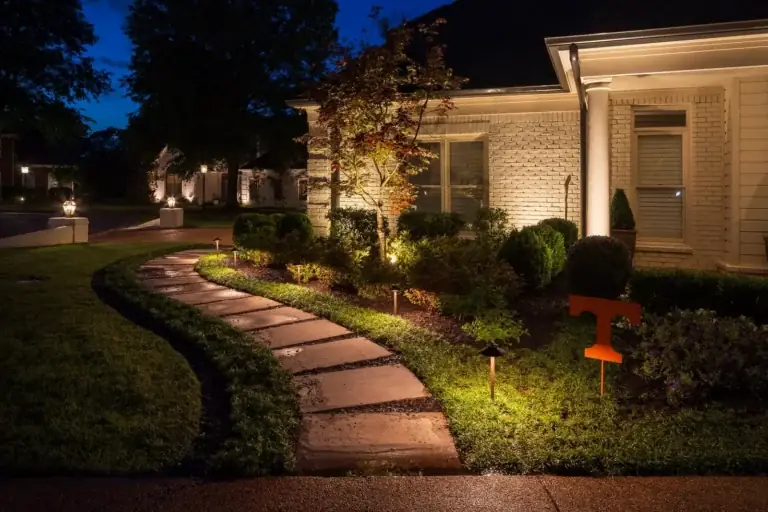
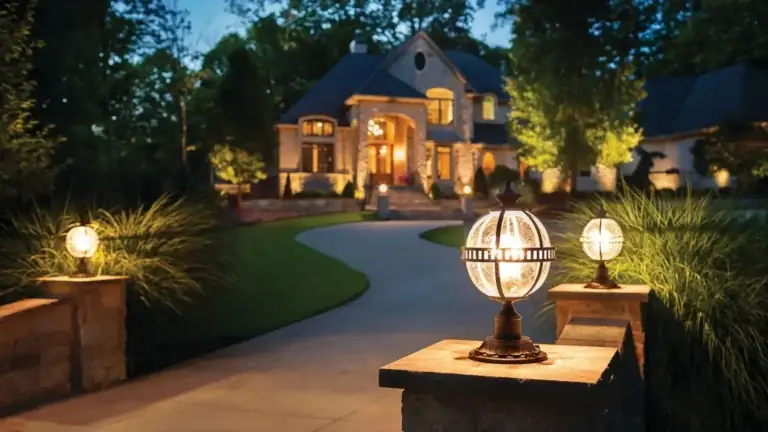
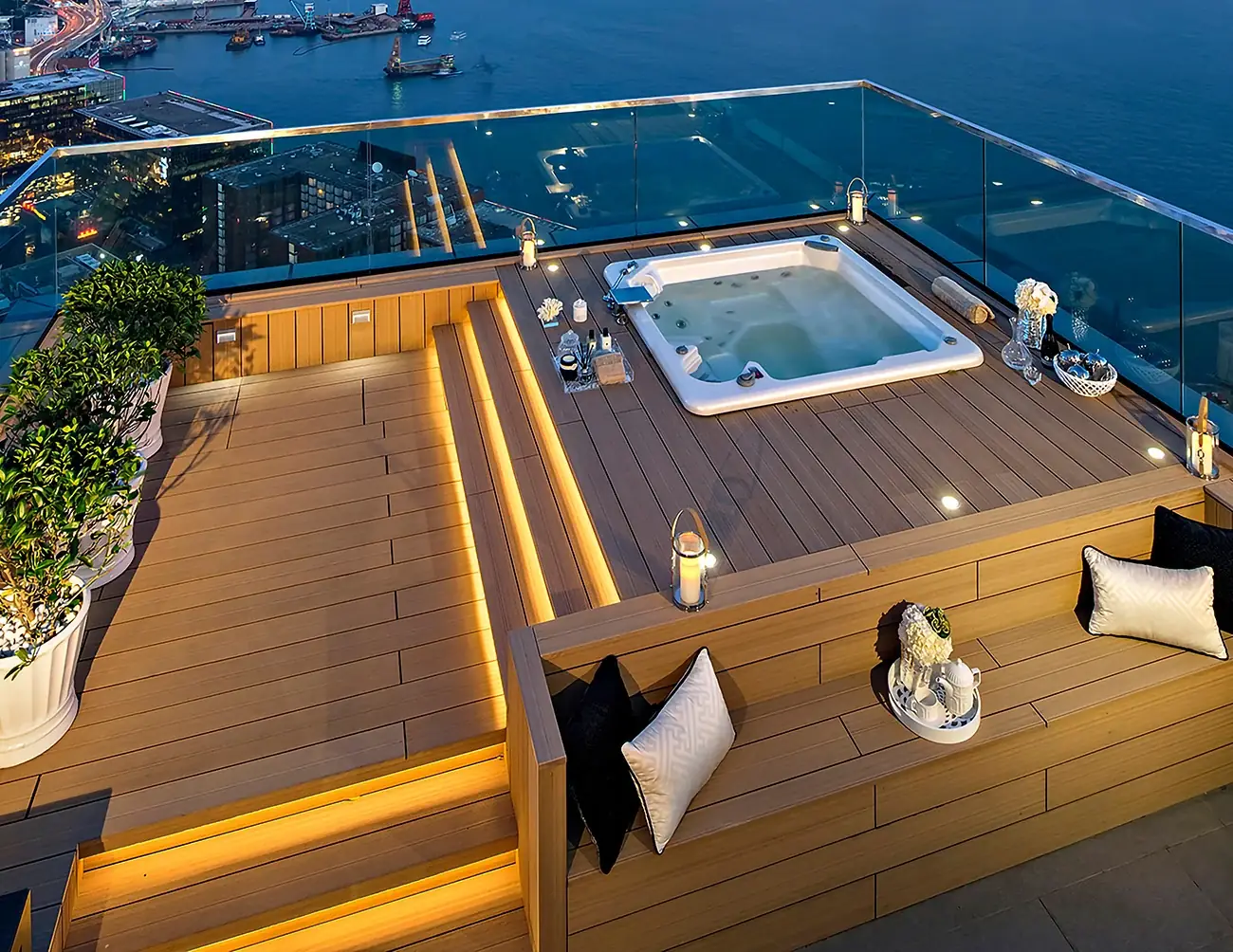
Architectural illumination across high-end North American estates requires a sophisticated command of electrical physics, landscape spatial planning, and high-grade metallurgy. Designing elite exterior environments relies heavily on sophisticated electrical distribution networks operating safely at 12 or 24 volts. Property owners and design professionals seeking luxury low voltage lighting usa are tasked with orchestrating complex visual hierarchies that elevate sprawling residential grounds into cohesive nocturnal masterpieces.
Standard consumer-grade exterior illumination packages fail to deliver the optical precision, color rendering index consistency, and structural longevity demanded by premier residential architecture. High-end property lighting involves mitigating severe voltage drop across extensive acreage, specifying solid-state diode arrays with exceptional thermal management, and integrating multi-zone digital control protocols. Every luminaire, cable run, and power center must perform flawlessly under intense environmental weathering while remaining visually discreet by day.
This reference manual provides an exhaustive operational and structural blueprint for specifying, engineering, and maintaining elite exterior low-voltage electrical systems. The following sections dissect system topologies, transformer mechanics, optical distribution physics, and long-term asset governance to establish a definitive professional standard.
Understanding “luxury low voltage lighting usa”
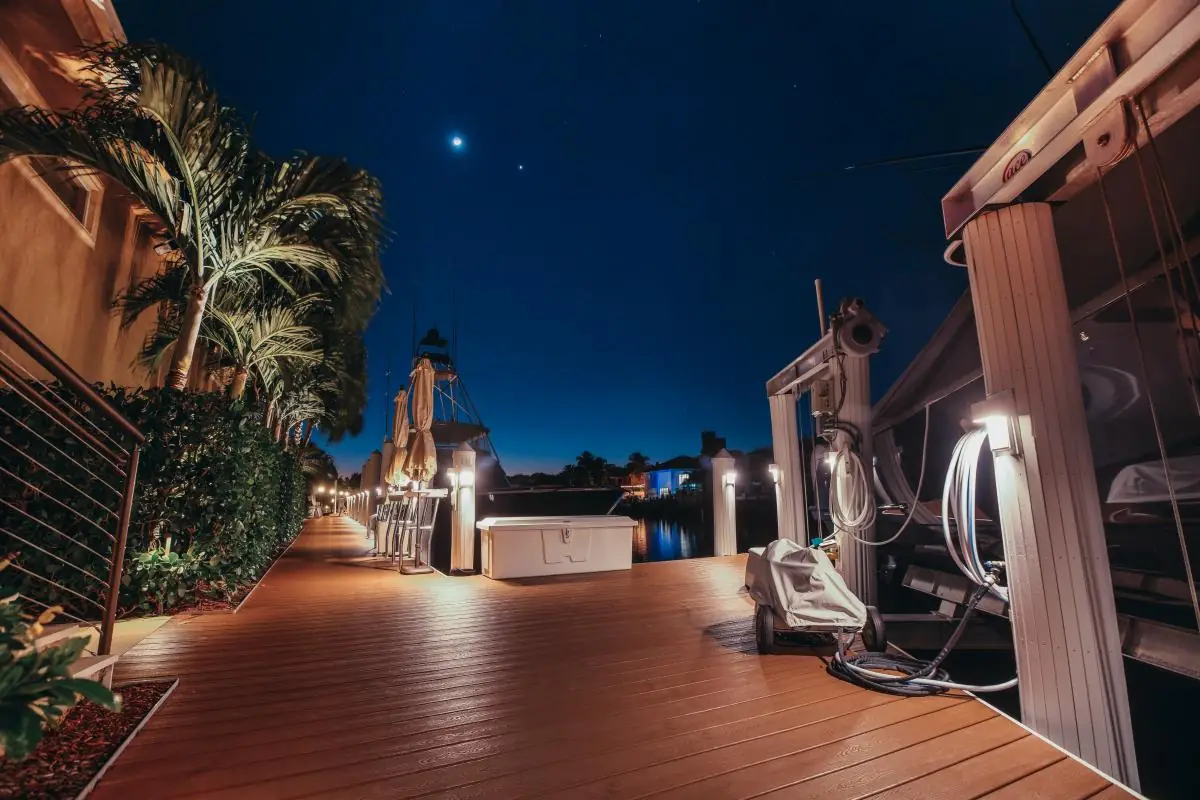
When design professionals evaluate luxury low voltage lighting usa, the primary objective is engineering a balanced electrical ecosystem that delivers consistent optical output across hundreds of linear feet of landscape. A frequent misstep involves treating low-voltage design as a simple plug-and-play exercise where fixtures are chained haphazardly along a single heavy cable, ignoring the strict laws of electrical resistance and voltage drop.
A widespread misconception views high-end outdoor illumination through a purely aesthetic lens, focusing exclusively on fixture housing styles while neglecting transformer tap selection and conductor gauge math. This oversimplification leads to uneven lamp intensity, premature LED driver failure, and flickering arrays across distant garden zones. Truly mastering luxury low voltage lighting usa requires synthesizing advanced electrical engineering, precise beam-angle distribution, and architectural staging into a unified infrastructure.
Relying on under-engineered consumer components introduces severe structural vulnerabilities and persistent operational failures. When installers deploy undersized wire or low-end magnetic transformers, the entire system suffers from cumulative thermal stress and voltage degradation. Professional execution demands meticulous circuit zoning, premium multi-tap magnetic power units, and heavy-gauge tinned copper wiring.
Deep Contextual Background
The evolution of low-voltage outdoor illumination in the United States reflects a historical transition from inefficient high-voltage incandescent floodlighting to sophisticated solid-state optical arrays. In earlier decades, residential estates relied on standard 120-volt line-voltage fixtures buried shallowly in turf beds or mounted on trees, presenting severe safety hazards and consuming massive amounts of electrical energy.
The introduction of magnetic step-down transformers operating at 12 volts revolutionized residential landscape design by eliminating lethal shock risks in wet garden beds and allowing flexible fixture placement. However, early halogen low-voltage systems suffered from massive heat generation, high wattage demands, and frequent bulb burnouts. The subsequent maturation of solid-state LED technology transformed the industry, enabling high lumen-per-watt efficiencies, tight beam control, and precise Kelvin temperature selections.
Today, luxury low voltage lighting usa encompasses sophisticated digital network protocols, astronomical time-clock automation, and DMX-controlled color tuning. Consequently, designing elite outdoor environments has evolved into an interdisciplinary field merging electrical engineering, architectural lighting design, and landscape ecology.
Conceptual Frameworks and Mental Models
Designing and maintaining high-performance low-voltage lighting networks requires robust mental models that account for electrical physics, optical layering, and material science.
The Voltage Drop Horizon
This foundational model dictates that electrical resistance across long conductor runs reduces terminal voltage at distant fixtures. It forces designers to calculate precise cable gauges and utilize multi-tap transformers to maintain uniform 11.5-to-12-volt inputs.
The Three-Tier Optical Layering Model
Elite landscape design avoids flat, uniform illumination by stratifying light into ambient washes, focal accents, and safety wayfinding. This mental model creates visual depth and architectural drama across sprawling grounds.
The Sub-Grade Hermetic Sealing Imperative
Underground wire splices in irrigated landscape beds are vulnerable to corrosive soil moisture. This framework prioritizes gel-filled IP68 enclosures to prevent ground faults and circuit trips.
The Thermal-Optical Equilibrium
High-output LED modules generate localized heat that must be dissipated through heavy metal heat sinks. This mental model ensures fixture housings maintain stable junction temperatures to prevent premature lumen depreciation.
Key Categories and Architectural Variations
Mastering luxury low voltage lighting usa involves navigating distinct fixture categories, each engineered to address specific architectural lighting requirements and environmental challenges.
Heavy Cast Bronze and Brass Directional Uplights
Employed to graze textured stone facades, accentuate specimen trees, and project precise beams across grand architectural entries.
-
Trade-Offs: Unmatched structural longevity and a rich natural patina, but commands a high initial capital expense.
Low-Profile Linear Step and Hardscape Recesses
Integrated directly into retaining walls, masonry stairs, and seat walls to provide safe wayfinding without producing blinding glare.
-
Trade-Offs: Clean architectural integration, but requires precise pre-construction rough-in planning.
Submersible Underwater Luminescent Fixtures
Installed within fountains, reflecting pools, and architectural ponds using waterproof bronze housings operating safely on 12-volt circuits.
-
Trade-Offs: Dramatic nighttime water effects, but requires accessible junction vaults for periodic maintenance.
Precision Tree-Mounted Downlights (Moonlighting)
Suspended securely in mature canopy branches to cast soft, dappled light downward, mimicking natural lunar illumination across turf and gardens.
-
Trade-Offs: Stunning organic aesthetic, but requires careful cable slack routing to accommodate tree growth.
Architectural Comparison Table
| Fixture Category | Primary Material Composition | Voltage Operation | Key Architectural Advantage | Primary Engineering Limitation |
| Cast Brass Uplights | Solid Architectural Brass | 12V / 24V AC/DC | Exceptional durability and beam control | Heavy mass requires secure anchoring |
| Linear Hardscape Units | Marine-Grade Aluminum / Brass | 12V DC | Seamless integration into masonry | Fixed linear lengths limit adjustments |
| Submersible Water Lights | Solid Bronze / Stainless Steel | 12V AC | Safe operation in aquatic environments | Requires dry-niche or accessible vaults |
| Canopy Downlights | Machined Aluminum / Brass | 12V / 24V AC/DC | Replicates natural moonlight effects | Requires careful tree growth planning |
Realistic Decision Logic
When estate designers evaluate options for luxury low voltage lighting usa across a sprawling limestone terrace, decision logic must prioritize transformer zoning and voltage drop math above all else. If an installer groups forty powerful uplights onto a single long homerun cable without calculating resistance, the fixtures nearest the transformer will receive full voltage while the distant units experience severe dimming. Splitting the load across multiple magnetic multi-tap transformers and utilizing 10-gauge tinned copper cable ensures uniform voltage delivery across the entire architectural site.
Detailed Real-World Scenarios
Examining practical electrical engineering scenarios illustrates how mastering luxury low voltage lighting usa prevents operational failures across elite residential estates.
Case Study A: The Greenwich Estate Voltage Remediation
Designers addressed severe flickering and dimming issues in an extensive low-voltage lighting network spread across a sloping six-acre Connecticut property.
-
Constraints: Long cable runs exceeding 300 feet; mature root systems blocking trenching paths; complex multi-zone architectural stonework.
-
Decision Points: Engineers evaluated whether to install additional small transformers across the property or pull heavy 10-gauge homerun lines back to a central master utility room.
-
Failure Modes Identified: Initial contractors used thin 14-gauge wire and electronic switching power supplies that overheated and tripped under inductive loads.
-
Second-Order Effects: Voltage drop caused LED drivers to oscillate wildly, resulting in constant strobing and premature component burnout.
-
Resolution: Contractors installed multi-tap magnetic transformers with adjustable 12V, 13V, and 14V taps to compensate for line loss, paired with heavy 10-gauge direct-burial cable.
Field Incident B: The Palm Beach Courtyard Corrosion Event
An elite coastal residence in Florida experienced total system failure in its low-voltage garden lighting network due to aggressive subterranean corrosion.
-
Constraints: High salinity coastal water table; sandy, highly permeable soils; intensive automated lawn irrigation.
-
Decision Points: Planners assessed whether standard twist-on wire connectors were sufficient or if gel-filled compression blocks were mandatory.
-
Failure Modes Identified: Standard wire nuts allowed irrigation water and soil chlorides to enter splices, creating galvanic corrosion that severed the low-voltage circuit.
-
Second-Order Effects: System ground faults repeatedly tripped the primary breaker, leaving security paths unlit during night hours.
-
Resolution: Technicians excavated all below-grade splices, re-stripped oxidized copper leads, and installed hermetically sealed IP68 silicone gel-filled wire vaults.
Operational Deployment C: The Aspen Mountain Canopy Integration
Engineers managed the installation of high-altitude tree-mounted downlighting across a rugged mountain landscape subject to heavy winter snow loads.
-
Constraints: Sub-zero winter temperatures; massive snowpack shifting; high wind shear on mature evergreens.
-
Decision Points: Installers evaluated rigid conduit versus flexible looped cable drops to accommodate swaying tree trunks.
-
Failure Modes Identified: Rigid mounting brackets snapped as mature pine trees swayed in high winds, shearing internal low-voltage conductors.
-
Second-Order Effects: Short circuits disabled entire garden zones during the peak winter holiday viewing season.
-
Resolution: Crews transitioned to flexible, spring-loaded tree attachment loops with generous service coils that stretch safely with trunk growth and seasonal sway.
Planning, Cost, and Resource Dynamics
Administering an effective high-end lighting strategy requires balancing the substantial upfront capital expense of commercial-grade hardware against long-term maintenance overhead.
Direct and Indirect Financial Realities
When budgeting for luxury low voltage lighting usa, estate planners must weigh initial equipment expenditures against the high labor cost of troubleshooting buried subterranean wiring faults. Specifying contractor-grade solid brass fixtures and magnetic transformers eliminates chronic replacement cycles and service callbacks.
Opportunity Cost and Resource Allocation
Property developers must balance wiring topology complexity against future landscape alterations. Installing oversized conduit loops during initial hardscape construction prevents destructive core-drilling and trenching when landscape designs evolve later.
Financial and Resource Allocation Range Table
| Equipment Tier or Strategy | Initial Capital Investment | Maintenance Overhead | Expected Operational Lifespan | Economic Efficiency |
| Retail Box-Store Kits | Low ($300 – $1,000) | Extreme (Annual replacement) | 1 – 2 seasons | Poor long-term value |
| Professional Aluminum Systems | Moderate ($2,000 – $6,000) | Moderate (Driver replacements) | 5 – 8 years | Moderate performance |
| Solid Brass & Copper Systems | High ($8,000 – $25,000+) | Minimal (Periodic cleaning) | 20+ years | Optimal long-term ROI |
| Smart DMX / Multi-Zone Arrays | Ultra-High ($30,000+) | Low to Moderate (Software updates) | 10 – 15 years | Maximum aesthetic control |
Tools, Strategies, and Support Systems
Executing precise, resilient low-voltage lighting installations requires specialized diagnostic instruments, wiring accessories, and electrical testing hardware.
1. True-RMS Digital Clamp Meters
Technicians use calibrated clamp meters to measure actual operating current (amperage) and terminal voltage under full load across every circuit leg.
2. Multi-Tap Magnetic Transformers
Utilizing heavy iron-core transformers equipped with secondary voltage taps (12V, 13V, 14V) to actively compensate for line-loss voltage drop over long runs.
3. IP68 Gel-Filled Compression Enclosures
Hermetically sealing all subterranean wire splices to eliminate moisture intrusion and prevent galvanic corrosion in damp soils.
4. Digital Lux and Foot-Candle Meters
Measuring exact light levels on architectural surfaces to ensure precise optical balance and compliance with dark-sky ordinances.
5. Heavy-Gauge Direct-Burial Tinned Copper Wire
Deploying 10-gauge and 8-gauge stranded copper conductors coated in tin to resist oxidation in aggressive soil chemistries.
6. Architectural Beam-Spread Modifiers
Utilizing optical lenses, honeycomb louvers, and linear spread filters to fine-tune fixture beam angles directly on site.
Risk Landscape and Failure Modes
Failing to properly manage the electrical and environmental complexities of low-voltage systems exposes outdoor networks to compounding failure modes.
Voltage Drop Asymmetry and Lamp Flicker
Undersized cable gauges paired with long cable runs cause voltage to drop below 10.5 volts, triggering erratic LED driver oscillation and visible lamp flicker.
Subterranean Splice Degradation
Failure to seal below-grade wire connections allows ground moisture to cause electrolysis, pitting copper conductors and creating intermittent open circuits.
Thermal Overload in Enclosed Transformers
Placing magnetic transformers in unventilated exterior enclosures exposes them to excessive solar heat gain, tripping internal thermal reset breakers.
Governance, Maintenance, and Long-Term Adaptation
Administering long-term control over luxury lighting networks requires disciplined operational reviews, seasonal protocols, and systematic tracking checklists.
-
Biannual Voltage and Amperage Audits: Measure terminal voltage at the furthest fixture on every circuit run each spring and autumn to verify system health.
-
Quarterly Fixture Alignment and Cleaning: Clear vegetative overgrowth, wash glass lenses, and verify precise beam alignment on architectural focal points.
-
Layered Maintenance Checklist:
-
Inspect transformer circuit breakers and photocell automation sensors.
-
Verify integrity of sub-grade gel wire splice enclosures.
-
Check tree-mounted fixture hanging loops for cable tension and growth clearance.
-
Test smart control system gateway connectivity and lighting scene schedules.
-
Measurement, Tracking, and Evaluation
Assessing the ongoing performance and reliability of elite low-voltage systems involves monitoring leading and lagging indicators.
Leading and Lagging Indicators
Leading indicators include stable terminal voltage readings above 11.5V at the furthest fixture, clean unoxidized wire splices, and correct transformer tap settings. Lagging indicators reflect system neglect, including LED driver failure, chronic circuit breaker trips, dimming fixtures, and water intrusion in housings.
Common Misconceptions and Oversimplifications
1. Low-voltage lighting systems carry zero electrical shock hazards and require no professional installation.
While 12-volt systems are safe for touch, high-wattage circuits draw substantial amperage that can melt undersized wires and start fires if improperly installed.
2. Electronic switching power supplies are superior to heavy magnetic transformers for long runs.
Magnetic transformers handle inductive loads and voltage drop compensation far better than sensitive electronic switching power supplies in outdoor settings.
3. Thicker cable wire is unnecessary if the total wattage load of the fixtures is low.
Voltage drop depends heavily on current draw and distance, meaning long runs require thick wire regardless of total fixture wattage.
4. Standard twist-on wire nuts wrapped in electrical tape are adequate for buried landscape splices.
Subterranean wire connections require hermetic gel-filled enclosures to survive soil moisture and irrigation chemicals.
5. All LED landscape fixtures are fully dimmable with standard household dimmer switches.
Low-voltage landscape lighting requires specialized magnetic-compatible low-voltage dimmers and dimmable drivers to prevent buzzing and flickering.
6. High-end fixtures never require cleaning or maintenance once anchored in the garden.
Outdoor elements, mineral deposits from irrigation, and plant growth require periodic cleaning and optical readjustment to maintain aesthetic standards.
Ethical, Practical, and Contextual Considerations
Mastering the implementation of luxury low voltage lighting usa extends beyond physical durability into responsible dark-sky stewardship and ecological preservation. Over-illuminating residential grounds creates disruptive light pollution, washes out the nocturnal night sky, and disorients migratory birds and local nocturnal fauna. By specifying fully shielded, precisely directed luminaires with warm Kelvin color temperatures (2700K or lower) and astronomical timers, property owners achieve stunning architectural elegance while respecting environmental ecosystems and community dark-sky standards.
Conclusion
Mastering the electrical, optical, and structural principles behind luxury low voltage lighting usa is essential for achieving long-term architectural success. Relying on consumer-grade hardware, uncalculated cable runs, and inadequate power supplies guarantees voltage drop, component failure, and aesthetic mediocrity. By investing in solid brass construction, multi-tap magnetic transformers, heavy-gauge tinned copper wire, and professional optical planning, estate owners secure a resilient, breathtaking outdoor lighting infrastructure. Ultimately, rigorous engineering transforms shoreline and estate illumination from a chronic maintenance liability into a permanent, highly authoritative architectural asset.