Best Private Landscape Lighting in the US Expert Guide
American residential estates rely heavily on sophisticated nighttime environmental shaping to define property boundaries, express material textures, and extend architectural usability beyond sunset. Within this domain, standard mass-market hardware frequently falls short, yielding uniform illumination that flattens architectural depth and ignores regional climatic variations across the country. Discerning property stewards increasingly turn to specialized, artisanal design paradigms that treat exterior illumination as a bespoke craft rather than a utility afterthought.
Navigating this niche requires an appreciation of regional material sourcing, custom brass fabrication, coastal corrosion resistance, and optical precision tailored to diverse American geographies, ranging from the humid subtropics of the Gulf Coast to the arid high deserts of the Intermountain West. High-end exterior illumination must balance aesthetic refinement with electrical resilience, weathering cycles of freezing winters and scorching summers without losing structural integrity or optical alignment. This tier of design rejects mass production in favor of hand-finished metals, proprietary beam optics, and integrated architectural controls.
This resource provides a comprehensive architectural and operational framework for evaluating, specifying, and managing luxury exterior illumination networks. The following sections dissect systemic philosophies, material constraints, and regional methodologies essential for realizing the best private landscape lighting in the us. Through rigorous analysis of fixture metallurgy, voltage architecture, and long-term stewardship, this reference establishes a definitive standard for high-end residential nightscaping.
Understanding best private landscape lighting in the us
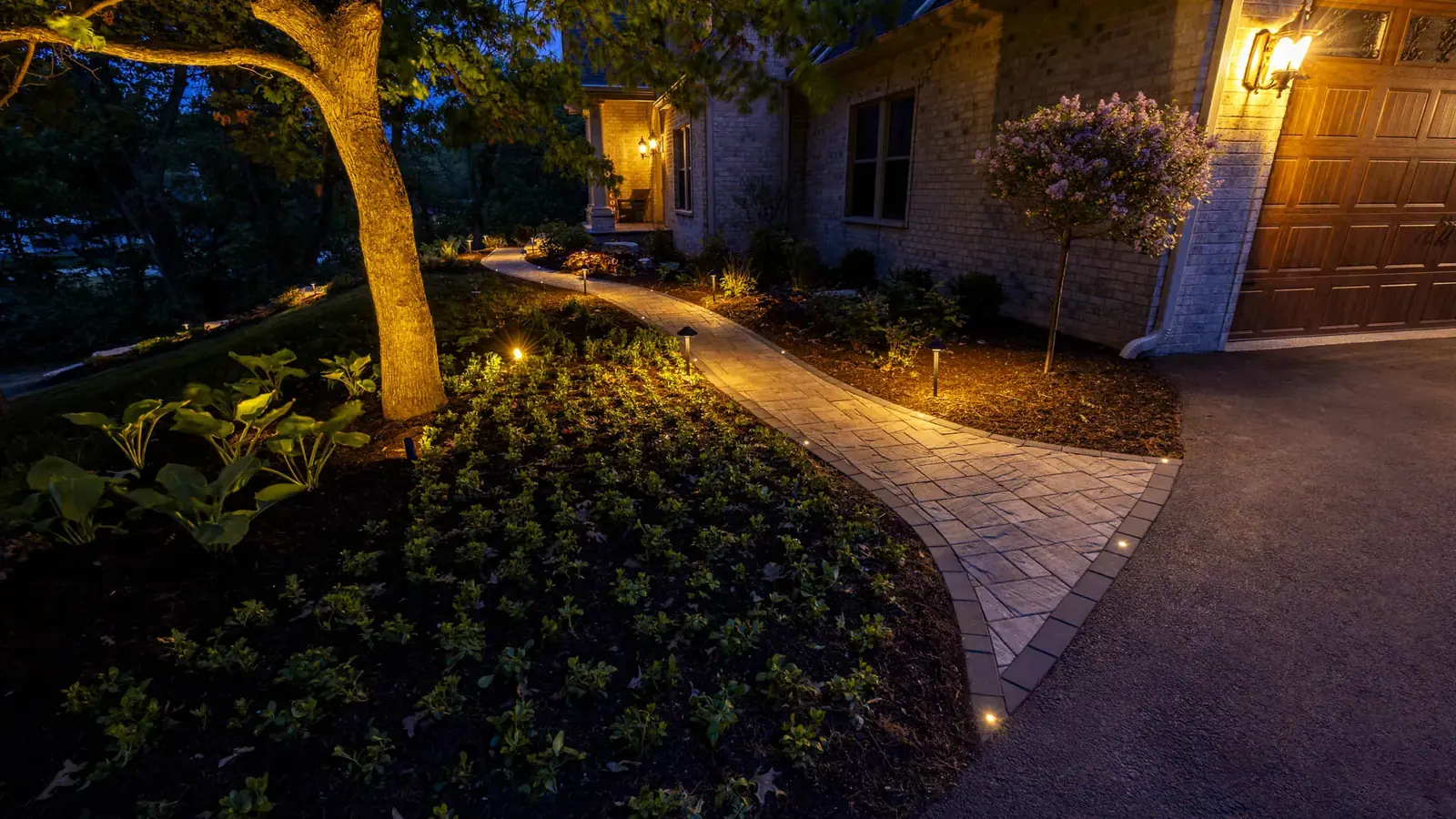
At its core, achieving the best private landscape lighting in the us involves the curation, engineering, and deployment of artisanal, high-performance exterior illumination hardware tailored to distinct architectural vernaculars. This discipline moves far beyond standard retail catalogues, focusing instead on limited-run manufacturing, heavy-gauge metals like solid cast brass and architectural bronze, and precision optical engineering that shapes light with surgical accuracy.
A frequent misunderstanding treats luxury residential installations as mere status symbols defined by inflated price tags and excessive fixture counts. This oversimplification misses the underlying engineering reality: premium components are specified to withstand corrosive coastal salt air, heavy snow loads, and extreme thermal swings without experiencing driver failure or housing degradation.
Relying on generic mass-market components within high-end architectural settings inevitably introduces vulnerabilities. Standard aluminum fixtures protected by thin powder coatings scratch easily, exposing reactive base metals to moisture and triggering rapid oxidation. Deep Contextual Background
The trajectory of high-end exterior illumination across American residential properties reflects a broader shift from utilitarian security lighting to refined landscape architecture. In earlier decades, private estates relied heavily on glaring 120-volt floodlights or fragile, low-output incandescent kits that offered little optical control and consumed vast amounts of electrical energy. These legacy setups required deep trenching and heavy conduits, limiting sophisticated design to municipal projects or ultra-wealthy compounds.
The maturation of low-voltage 12-volt and 24-volt architectures transformed the domestic market, allowing safe, flexible distribution grids across private grounds. Concurrently, the American boutique sector began to emerge as independent foundries and specialized designers started crafting heavy-gauge brass and copper luminaires. These craftspeople rejected disposable plastic and thin aluminum paradigms imported from overseas mass-production hubs, focusing instead on repairable, modular components designed to last multiple decades.
Conceptual Frameworks and Mental Models
Designing and executing premier residential illumination networks requires structured mental models that govern decision-making across complex architectural sites.
The Patina Lifecycle Model
Unlike mass-market products designed to maintain a static factory finish through artificial coatings, high-end brass and bronze luminaires are modeled to evolve. This mental model embraces the natural oxidation process, where exposure to rain, oxygen, and soil chemistry transforms raw metal into deep, earthy bronzes and verdigris tones that anchor the fixture seamlessly into natural garden environments.
The Optical Hierarchy Matrix
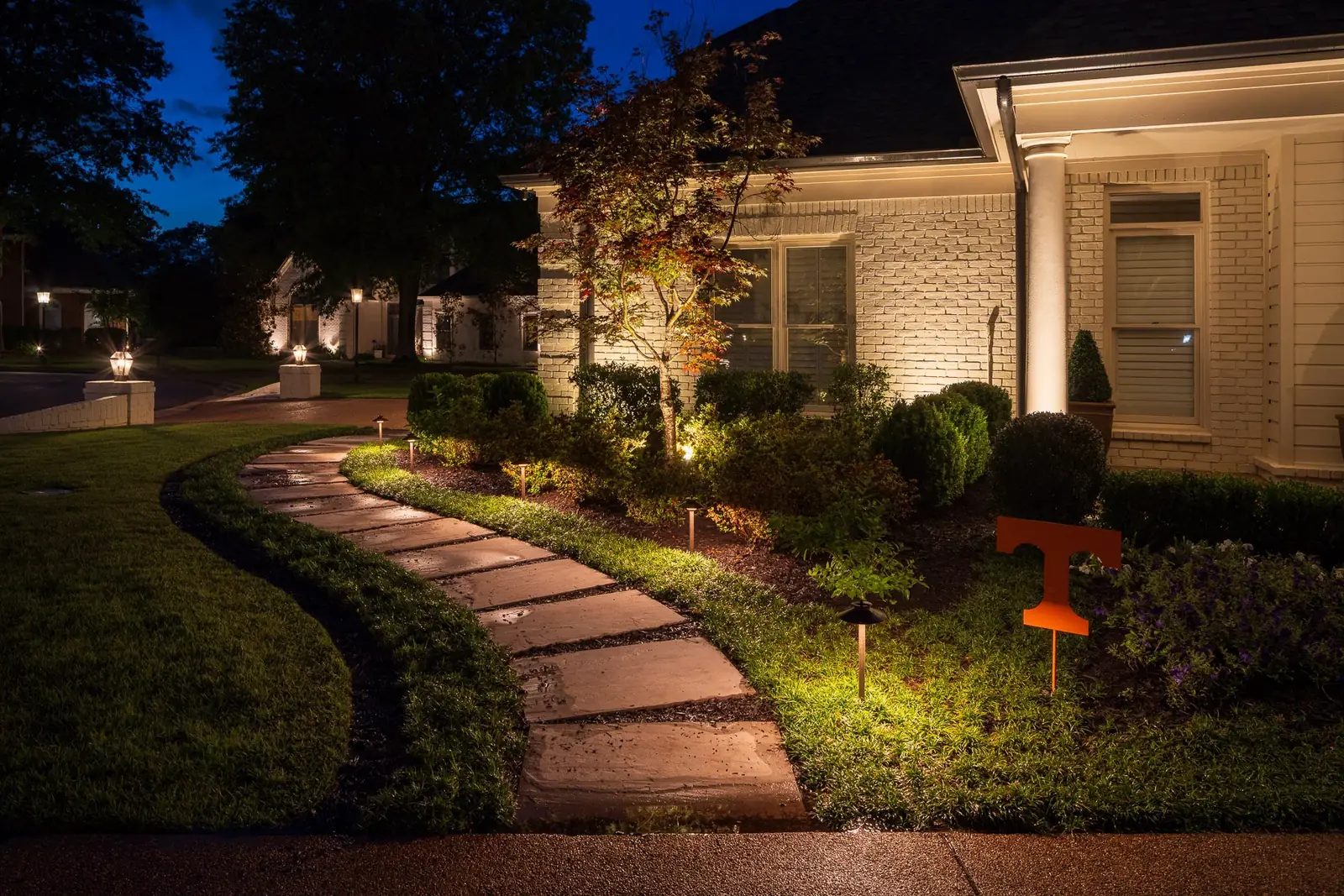
Light should never be applied uniformly across a private estate. This framework categorizes illumination into focal points, transitional pathways, and deep background shadows. By treating darkness as an active design element, the matrix ensures that premier fixtures reveal architectural textures and specimen plantings through strategic contrast rather than overwhelming illumination.
The Galvanic Isolation Principle
Soil chemistry and moisture across different American regions can trigger severe electrochemical reactions between dissimilar metals. This engineering model dictates that fasteners, mounting stakes, and housing bodies must be metallurgically compatible, utilizing stainless steel hardware and isolated wiring enclosures to prevent galvanic corrosion beneath the soil line.
The Thermal Equilibrium Horizon
High-performance LED modules generate concentrated thermal energy that must be dissipated to prevent premature phosphor degradation. High-end design models treat the entire fixture body as a macroscopic heatsink, engineering thick-walled metal housings that draw heat away from the diode junction and transfer it safely into the surrounding ambient air or soil.
Key Categories and Architectural Variations
Creating the best private landscape lighting in the us encompasses several specialized hardware categories, each carrying distinct engineering trade-offs and aesthetic applications.
Solid-Cast Brass Uplights and Spotlights
Engineered to graze stone facades or illuminate mature tree canopies, these directional fixtures represent the backbone of architectural accent lighting.
-
Solid brass construction provides extraordinary weight and corrosion resistance, but carries a high initial material cost and requires robust anchoring in loose or sandy soils.
Architectural Linear Graze Fixtures
Low-profile linear luminaires designed to tuck beneath handrails, stair treads, or stone coping, delivering seamless washes of illumination along horizontal planes.
-
Extruded bronze channels offer sleek integration and exceptional durability, but demand precise masonry installation tolerances that leave no room for field adjustments.
Artisan Path and Area Luminaires
Hand-crafted stem and hat fixtures that define pedestrian circulation routes while casting glare-free, downward pools of warm light.
-
Custom spun copper shades develop stunning patinas and diffuse light evenly, but are susceptible to mechanical damage if placed too close to heavy commercial turf maintenance equipment.
Submersible and Fountain Luminaires
Specialized marine-grade bronze fixtures engineered to operate continuously underwater in ponds, reflecting pools, and architectural water features.
-
Heavy marine bronze withstands aquatic mineral exposure indefinitely, but requires rigorous sealing protocols and specialized underwater-rated cable connections to prevent catastrophic water ingress.
Architectural Comparison Table
Realistic Decision Logic
When specifying fixtures for a coastal property in the American Southeast or Pacific Northwest, designers must weigh material selection against aggressive salt fog and high humidity. While cast aluminum or painted steel options may suffice in arid inland climates, coastal installations demand a strict mandate for marine-grade bronze and passivated stainless steel hardware, ensuring that aesthetic aspirations do not compromise structural longevity.
Detailed Real-World Scenarios
Examining practical deployment environments illustrates how elite hardware specifications intersect with challenging site constraints.
Case Study A: The Coastal Dune Estate
A luxury residential property situated along the Atlantic coastline requires an extensive architectural lighting array to illuminate native dune grasses and a modern cedar residence.
-
Constraints: Aggressive salt spray; sandy, unstable soil composition; strict municipal dark-sky ordinances restricting upward light trespass.
-
Decision Points: Designers specify solid nickel-aluminum bronze uplights paired with specialized narrow-beam cowls and deep stabilization stakes to prevent shifting in loose sand.
-
Failure Modes Identified: Standard brass fixtures exposed to heavy salt air can develop aggressive pitting if alloy purity is uncertified. Furthermore, improper anchoring in sand causes fixtures to tilt out of alignment during high coastal winds.
-
Second-Order Effects: Misaligned fixtures cast errant beams into neighboring properties, violating local code and ruining the carefully planned shadow balance.
-
Resolution: Deploying certified marine-grade bronze units secured with deep helix earth anchors guarantees absolute stability and compliance with local regulations.
Field Incident B: The Historic Mountain Compound
An elite architectural firm renovates an 18th-century stone estate in the Blue Ridge Mountains, requiring discreet illumination that respects historic preservation guidelines.
-
Constraints: Historic stone masonry that cannot be core-drilled; sub-zero winter freeze-thaw cycles; heavy seasonal leaf accumulation.
-
Decision Points: The team selects miniature surface-mounted brass accent units wired through hidden mortar joints and powered by remote magnetic transformers housed inside a utility basement.
-
Failure Modes Identified: Heavy winter snow loads sliding off slate roofs can shear off surface-mounted wiring or distort exposed fixture stems if placement is not meticulously calculated.
-
Second-Order Effects: Sub-grade freezing expands surrounding clay soils, placing immense shear stress on shallow conduit runs and causing brittle splices to snap.
-
Resolution: Routing all primary trunks below the local frost line inside protective schedule-80 PVC sleeves protects the infrastructure. Additionally, flexible whips absorb ground movement.
Operational Deployment C: The Desert Oasis Compound
A high-end desert residential project in the American Southwest requires lighting design that withstands extreme diurnal temperature swings and intense ultraviolet radiation.
-
Constraints: Daytime ambient temperatures exceeding 115 degrees Fahrenheit; highly alkaline caliche soil; intense UV degradation of non-metallic components.
-
Decision Points: Specifiers mandate raw, unlacquered solid brass fixtures equipped with specialized high-temperature thermal potting inside the LED driver compartments.
-
Failure Modes Identified: Standard electronic components degrade rapidly under sustained desert heat, leading to thermal shutdown and driver failure within eighteen months.
-
Second-Order Effects: Premature driver failure requires invasive excavation through baked caliche soil to replace buried components.
-
Resolution: Utilizing remote commercial magnetic transformers placed in shaded utility enclosures keeps sensitive electrical components away from extreme localized fixture heat.
Planning, Cost, and Resource Dynamics
Executing a luxury residential illumination project requires balancing high initial capital expenditures against exceptional lifecycle durability and aesthetic return.
Direct and Indirect Financial Realities
The direct material costs of artisanal American-made brass fixtures and custom lenses far exceed standard retail lighting packages. However, indirect savings become apparent over a ten-year operational window. Mass-market systems typically require complete replacement every three to four seasons due to weather degradation and driver burnout. Conversely, elite systems built with serviceable, modular components eliminate recurring replacement labor and material overhead.
Opportunity Cost and Regional Sourcing
Choosing boutique hardware often involves longer lead times due to small-batch foundry production schedules. Planners must account for these fabrication windows within overall landscape construction timelines. Furthermore, investing in regional American manufacturing supports domestic supply chain resilience, ensuring replacement modules and specialized lenses remain available decades after initial commissioning.
Financial and Resource Allocation Range Table
Tools, Strategies, and Support Systems
Deploying high-end artisanal hardware successfully requires specialized diagnostic instruments and precision installation methods.
1. High-Precision Digital Multimeters
Installers use these instruments to verify exact operating voltage down to the hundredth of a volt at remote fixture terminals under full system load, ensuring high-end LED arrays operate within optimal electrical tolerances.
2. Dielectric Silicone Gel Compression Caps
Rejecting standard electrical tape, installers utilize industrial-grade heat-shrink tubing lined with adhesive or pre-filled dielectric gel caps to permanently seal sub-grade wire splices against moisture ingress.
3. Star-Topology Home-Run Wiring Networks
Replacing vulnerable daisy-chain layouts with dedicated home-run lines running directly from individual transformer taps to isolated fixture groups guarantees uniform voltage distribution across expansive properties.
4. Custom Optical Snoots and Honeycomb Louvers
Installers fit these precision accessories inside luminaire bezels to eliminate lateral glare, shape beam spreads into exact geometric profiles, and protect dark skies from light trespass.
5. Multi-Tap Magnetic Toroidal Transformers
These heavy-duty, silent-operation power units feature multiple voltage output taps to compensate for voltage drop across long rural property boundaries without introducing electronic noise.
6. Helix Earth Anchors and Stabilization Stakes
Specialized anchoring systems driven deep into unstable soils secure fixture housings firmly against frost heave, wind loads, and ground settling.
Risk Landscape and Failure Modes
Elite installations, while exceptionally robust, remain vulnerable to compounding physical and electrical failure modes if execution standards slip.
Thermal Runaway in Sealed Housings
Attempting to drive high-lumen LED chips inside compact housings without adequate internal thermal management causes junction temperatures to spike, degrading phosphor coatings and causing irreversible lumen depreciation.
Electrolytic Galvanic Corrosion
Failing to isolate dissimilar metals—such as pairing aluminum brackets with brass fixtures in acidic soils—triggers rapid galvanic action, destroying structural threads and electrical continuity within a few wet seasons.
Voltage Drop and Driver Pulsing
Undersizing wire gauges over extensive estate distribution runs creates sub-optimal voltage levels at terminal fixtures, forcing sensitive LED drivers into erratic pulsing, premature flickering, and early component failure.
Governance, Maintenance, and Long-Term Adaptation
Maintaining an artisanal lighting network requires disciplined seasonal stewardship to protect the architectural investment over decades of operation.
-
Semi-Annual Electrical Audits: Installers measure terminal voltages at the furthest extremities of the property twice a year to ensure system stability and check transformer tap outputs.
-
Optic and Lens Maintenance Protocols: Workers clean glass lenses and remove mineral scale, organic debris, and pollen accumulation from luminaire faces seasonally to maintain maximum optical efficiency.
-
Layered Maintenance Checklist:
-
Inspect sub-grade junction vaults for standing water or compromised gel seals.
-
Check fixture alignment against growing specimen plants and architectural modifications.
-
Verify photocell and astronomical automation controller calibration.
-
Examine exposed wiring sections for lawn maintenance nicking or rodent damage.
-
Measurement, Tracking, and Evaluation
Assessing the ongoing performance of a luxury exterior lighting installation involves monitoring both electrical stability indicators and aesthetic integrity.
Leading and Lagging Indicators
Leading indicators include stable multi-tap voltage readings between 11.2V and 11.8V at every fixture, zero optical flickering, and completely dry, intact waterproof splices during bi-annual audits. Lagging indicators reflect past installation oversights, such as mineral etching on poorly sealed lenses, fixture tilt caused by shallow anchoring, and breaker trips on transformer units.
1: Bespoke System Commissioning Log
-
Zone: North Estate Canopy and Oak Specimen
-
Transformer Output: 14V Tap / Measured End-Voltage: 11.6V (Optimal)
-
Wiring Topology: Home-Run Star Configuration / 8-Gauge Direct-Burial Copper
-
Splice Protection: Dual-Wall Adhesive Heat-Shrink Tubing over Dielectric Core
-
Lead Artisan: H.V. / Date: 2026-05-18
2: Environmental Stress Review Log
-
Zone: Coastal Waterfront Hardscape Tier
-
Evaluated Anomaly: Minor salt crust accumulation on solid bronze bezel.
-
Root Cause Analysis: Splash-zone exposure from wind-driven oceanic spray interacting with regional mineral content.
-
Corrective Action: Workers neutralized surface salts with specialized ph-balanced bronze wash and applied a protective micro-crystalline wax coat.
-
Technician: S.M. / Date: 2026-08-22
3: Maintenance Audit Entry
-
Zone: Grand Entryway Motor Court
-
Observed Condition: Fixture stem slightly tilted due to deep freeze soil settling.
-
Corrective Action: Technicians excavated the base, reset the 18-inch helix earth anchor, and adjusted the brass swivel knuckle to restore precise architectural graze angles.
-
Inspector: H.V. / Date: 2026-10-11
Common Misconceptions and Oversimplifications
1. Luxury lighting requires no maintenance because fixtures are solid metal.
While solid brass and bronze housings last indefinitely, optical lenses, wiring connections, and automation controllers require regular inspection and seasonal servicing to maintain peak performance.
2. High-end fixtures can connect to standard consumer transformers.
Boutique LED engines and sensitive remote drivers demand stable, clean power output. Cheap electronic consumer transformers simply cannot provide this power without introducing electrical noise.
3. More fixtures always equate to a more luxurious lighting design.
Flooding an estate with excessive light destroys night vision, eliminates shadows, and creates visual clutter. True high-end design relies heavily on restraint and shadow hierarchy.
4. Direct-burial cable can be laid an inch below turf without consequence.
Failing to bury primary lines to a secure depth of at least 6 inches exposes the network to frequent severance from routine landscaping equipment, aeration, and gardening tools.
5. Standard wire nuts wrapped in electrical tape provide permanent waterproofing.
Vinyl tape degrades rapidly underground, allowing soil moisture to wick into copper strands and trigger catastrophic galvanic corrosion within months.
6. Raw unlacquered brass is a manufacturing defect when color changes.
Natural patination is an intentional characteristic of architectural metals. Over time, these metals evolve organically to form a protective, earth-toned finish that integrates with the landscape.
Ethical, Practical, and Contextual Considerations
Designing high-end exterior illumination involves balancing architectural ambition with environmental stewardship and community responsibility. Over-lighting a property wastes energy and degrades hardware efficiency. Furthermore, it contributes significantly to light pollution, casting unmanaged glare into neighboring properties and disrupting nocturnal wildlife habitats.
Conclusion
Mastering the best private landscape lighting in the us is an exercise in uncompromising material quality, rigorous electrical engineering, and disciplined aesthetic restraint. Rejecting mass-market shortcuts in favor of solid cast brass, marine-grade bronze, and precision optical design ensures that an exterior illumination network endures decades of regional weathering.