Compare Landscape Lighting Seasonal Packages Expert Guide
Architectural illumination networks across North America operate under continuous environmental duress, shifting from freezing winter frost and heavy snow loads to blistering summer heat and aggressive turf maintenance. Because exterior lighting infrastructure is permanently embedded in subterranean soils and exposed to atmospheric weathering, static installation maintenance is rarely sufficient to guarantee longevity. Consequently, property owners frequently evaluate recurring service agreements tailored to specific seasonal shifts.
Evaluating these offerings requires looking beyond superficial marketing tiers to analyze the underlying technical scope, component warranties, and diagnostic depth. Whether assessing spring activation protocols or autumn weatherization procedures, property stewards must carefully balance service frequencies against regional climate stressors.
This reference manual provides an exhaustive structural and operational framework for evaluating and contrasting recurring maintenance contracts. The following sections dissect climatic risk vectors, contract variations, and administrative methodologies essential when professional service buyers compare landscape lighting seasonal packages. Through rigorous analysis of electrical parameters, component metallurgy, and long-term asset stewardship, this guide establishes a definitive standard for outdoor lighting management.
Understanding “compare landscape lighting seasonal packages”
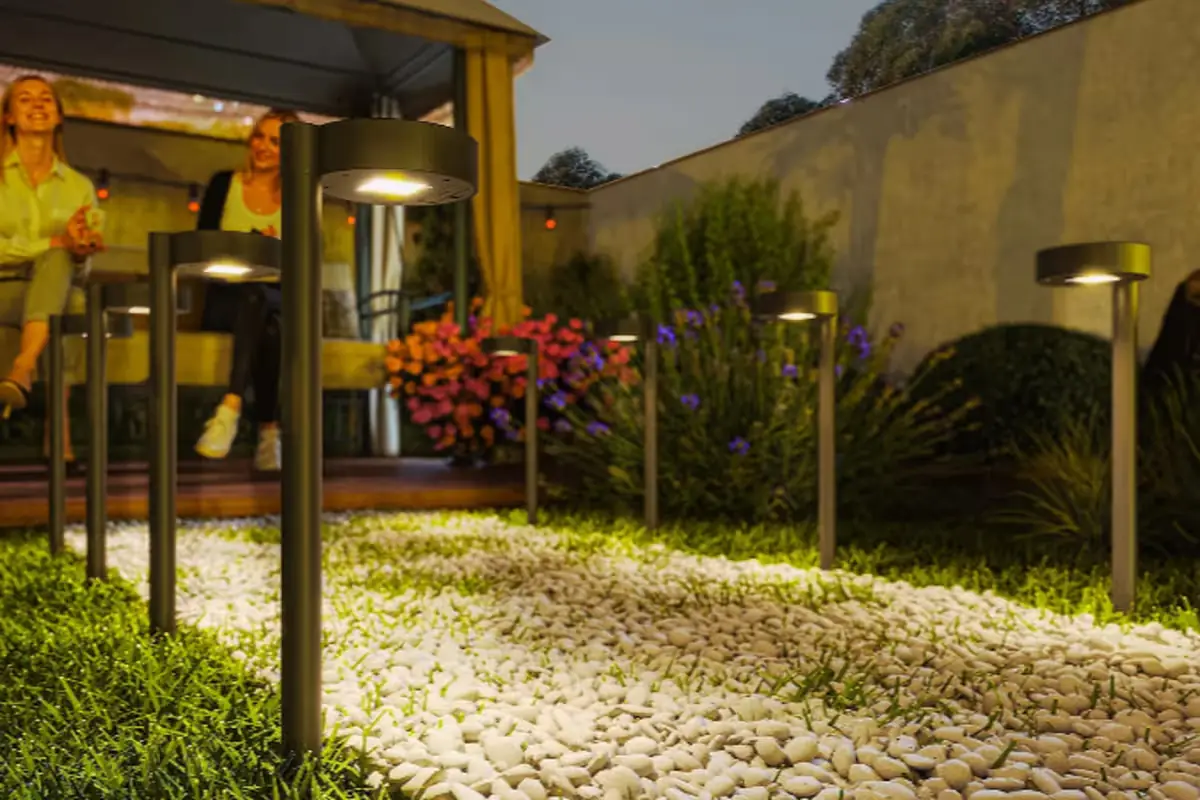
When property managers and homeowners compare landscape lighting seasonal packages, the core objective is determining how effectively a specific service tier addresses the unique environmental stresses of distinct times of the year. A true seasonal contract is not merely a cosmetic cleaning service; it represents a scheduled technical intervention designed to calibrate electrical transformers, clear botanical growth away from optical housings, and inspect sub-grade wire splices before extreme weather sets in.
A common misunderstanding views seasonal maintenance tiers as interchangeable marketing gimmicks that offer little functional variation beyond visit frequency. This oversimplification assumes that an autumn leaf-clearing visit requires the same technical procedures as a spring electrical audit. In reality, spring packages focus heavily on post-frost ground stabilization, voltage drop testing, and timer recalibration, whereas autumn packages prioritize physical weatherization, fixture repositioning against winter snow loads, and enclosure sealing.
Relying on uniform, non-seasonal maintenance models introduces severe operational vulnerabilities. When contractors apply a single, static checklist year-round, they frequently miss localized weather-induced failures, such as frost-heave cable tension or summer root overgrowth. Understanding the structural differences between seasonal contracts ensures that exterior electrical assets receive the precise technical care required during critical environmental transition points.
Deep Contextual Background
The evolution of landscape lighting service packaging reflects broader shifts in residential property management, solid-state LED technology adoption, and consumer expectations regarding asset longevity. Historically, exterior lighting consisted of rudimentary 120-volt incandescent floodlights that required infrequent, reactive repairs by local electricians whenever a bulb burned out or a breaker tripped. Maintenance was entirely ad-hoc, lacking any concept of structured seasonal intervention.
The widespread adoption of low-voltage LED systems transformed the market, introducing complex electronic drivers, multi-zone smart transformers, and sensitive sub-grade wiring networks. While these modern systems dramatically reduced power consumption, they proved highly sensitive to moisture migration, voltage fluctuations, and mechanical landscaping interference. As estates invested heavily in elaborate architectural nightscapes, premature component failures became common among properties lacking systematic upkeep.
In response to these technical complexities, lighting contractors began structuring maintenance agreements around regional climate cycles. By grouping services into distinct seasonal packages—such as spring startup, summer optimization, autumn weatherization, and winter audit—the industry provided a structured framework for long-term asset preservation. Today, analyzing and choosing between these recurring service models is a critical aspect of high-end property administration.
Conceptual Frameworks and Mental Models
Evaluating and structuring seasonal service contracts requires robust mental models that account for environmental seasonality, material fatigue, and electrical load dynamics.
The Thermal-Mechanical Stress Cycle
This model views exterior lighting hardware as an assembly constantly expanding and contracting under extreme temperature swings. Seasonal packages must account for this thermal stress by scheduling targeted hardware inspections and fastener torque checks during spring and autumn transitions.
The Frost-Heave Cable Tension Horizon
In regions subject to deep winter freezes, expanding soil matrices exert immense mechanical force on buried cables and fixture stakes. This mental model requires spring service packages to include dedicated sub-grade cable tension audits and stake re-anchoring before turf maintenance begins.
The Botanical Growth Intercept
Vegetation grows aggressively during spring and summer months, quickly engulfing low-voltage luminaires. Service models must position summer and autumn visits to intercept this botanical encroachment before foliage blocks beam spreads or traps destructive thermal heat against optical housings.
The Voltage Equilibrium Window
Electrical resistance within a lighting network shifts as ambient temperatures rise and fall. This model dictates that seasonal diagnostic visits must include active voltage-drop measurements under full load to ensure drivers operate within their ideal voltage windows.
Key Categories and Architectural Variations
Structuring and contrasting seasonal agreements involves navigating several distinct tier levels and operational frameworks, each carrying specific trade-offs for property owners.
Spring Activation and Calibration Packages
These packages focus on post-winter recovery, including timer reprogramming for longer daylight hours, post-frost fixture alignment, and initial voltage testing.
-
Trade-Offs: Essential for reviving systems after harsh winters, but excludes deep autumn weatherization checks.
Summer Growth Interception Packages
Mid-year service tiers concentrate on clearing overgrown summer foliage, adjusting beam angles, and verifying that automated photocells operate correctly amidst dense plant canopies.
-
Trade-Offs: Prevents botanical overheating, but lacks comprehensive electrical wiring diagnostics.
Autumn Weatherization and Seal Packages
Crucial for preparing properties for winter, these visits involve sealing sub-grade splices, clearing accumulated leaf debris, and checking enclosure waterproof integrity.
-
Trade-Offs: Protects against frost damage, but requires booking well ahead of seasonal contractor rushes.
Comprehensive Four-Season Master Packages
Enterprise-grade agreements combining all seasonal interventions into a seamless annual retainer, providing year-round priority service and unlimited emergency dispatch.
-
Trade-Offs: Substantial annual financial commitment, but delivers absolute system reliability and capital protection.
Architectural Comparison Table
| Seasonal Package Tier | Primary Timing | Core Technical Focus | Major Operational Benefit | Typical Risk Addressed |
| Spring Activation | March – May | Post-frost alignment & timers | Restores optical aiming after winter | Ground shift & misaligned beams |
| Summer Maintenance | June – August | Foliage clearance & cooling | Prevents thermal trapping by plants | Driver overheating & light block |
| Autumn Weatherization | September – November | Seal integrity & leaf removal | Prepares network for freezing soils | Moisture ingress & short circuits |
| Full Four-Season Master | Year-Round (4 visits) | Comprehensive electrical audit | Absolute lifecycle protection | Cumulative system degradation |
Realistic Decision Logic
When property stewards evaluate options to compare landscape lighting seasonal packages, decision logic must center on regional climate severity and system complexity. If a property is located in an alpine climate subject to severe frost heaves and heavy snow loads, selecting a basic spring-only package leaves the system dangerously exposed to unmanaged autumn moisture. The property owner must invest in a multi-season or comprehensive four-season master package to ensure proper winterization.
Detailed Real-World Scenarios
Examining practical service comparison scenarios illustrates how choosing the correct seasonal package prevents operational failures across diverse real-world properties.
Case Study A: The Mountain Estate Frost-Heave Crisis
An expansive residential property in the Rocky Mountain region utilized a basic annual spring cleanup service rather than a comprehensive seasonal package.
-
Constraints: Severe winter freeze-thaw cycles; heavy snow accumulation; rocky sub-base soils.
-
Decision Points: The property owner opted for the lowest-cost spring activation package, skipping autumn weatherization visits.
-
Failure Modes Identified: Winter frost heaves expanded the soil matrix, stretching direct-burial cables taut over boulders and snapping internal copper strands at splice junctions.
-
Second-Order Effects: The spring activation visit identified dead circuits, but because autumn weatherization sealing was missed, moisture had already corroded upstream LED drivers.
-
Resolution: The owner was forced to purchase a comprehensive four-season master package moving forward, alongside expensive emergency rewiring labor.
Field Incident B: The Coastal Summer Overgrowth Dilemma
A luxury seaside estate in the Southeast featured dense tropical landscaping surrounding architectural uplights.
-
Constraints: Rapid summer plant growth; high humidity; salty atmospheric moisture.
-
Decision Points: The property manager enrolled in a summer-inclusive seasonal maintenance package, ensuring mid-year technical intervention.
-
Failure Modes Identified: Routine summer auditing uncovered aggressive vegetation overgrowth completely blanketing multiple accent luminaires, trapping heat and degrading internal seals.
-
Second-Order Effects: Without the summer intervention, trapped thermal energy would have caused premature LED driver failure within months.
-
Resolution: Technicians cleared the foliage, repositioned the optical housings, and applied protective silicone spray to ward off salt corrosion.
Operational Deployment C: The Commercial Hospitality Compound
A multi-acre resort complex required a bulletproof exterior lighting strategy to maintain guest safety and aesthetic appeal year-round.
-
Constraints: Continuous public foot traffic; strict corporate budgeting; zero tolerance for lighting outages.
-
Decision Points: Management analyzed competing regional bids and selected a structured four-season master agreement over piecemeal seasonal contracts.
-
Failure Modes Identified: During routine autumn weatherization, technicians discovered a compromised sub-grade gel splice hiding beneath a decorative gravel path.
-
Second-Order Effects: Left unaddressed, winter freezing would have short-circuited the entire guest pathway zone during the holiday peak season.
-
Resolution: The structured seasonal schedule allowed technicians to replace the failing splice proactively, avoiding an embarrassing and costly guest-facing outage.
Planning, Cost, and Resource Dynamics
Administering an effective seasonal lighting service strategy requires understanding the economic relationship between recurring retainer costs and catastrophic repair expenses.
Direct and Indirect Financial Realities
When decision-makers compare landscape lighting seasonal packages, they must weigh the predictability of annual retainer fees against the volatility of emergency repair bills. Investing in comprehensive multi-season packages requires a higher initial outlay, but it consistently undercuts the cumulative cost of replacing fried transformers and excavated wire runs resulting from neglected seasonal maintenance.
Opportunity Cost and Resource Allocation
Property stewards must balance the administrative overhead of coordinating multiple contractor visits against the streamlined efficiency of an automated seasonal retainer. Securing a comprehensive package locks in contractor availability, eliminating the risk of scrambling for service technicians during peak seasonal rushes.
Financial and Resource Allocation Range Table
| Seasonal Contract Type | Typical Annual Retainer Range | Visit Frequency | Scope Inclusions |
| Single-Season Add-On | $200 – $450 / year | 1 visit annually | Surface cleaning and basic adjustments |
| Bi-Seasonal Plan (Spring/Fall) | $500 – $1,100 / year | 2 visits annually | Voltage testing, sealing, and timers |
| Tri-Seasonal Plan | $1,200 – $2,200 / year | 3 visits annually | Foliage clearance, electrical audits, weatherization |
| Four-Season Master Retainer | $2,500 – $6,000+ / year | 4 visits annually | Unlimited emergency dispatch & full parts coverage |
Tools, Strategies, and Support Systems
Maximizing the effectiveness of seasonal maintenance packages requires specialized diagnostic equipment, software platforms, and logistical support systems.
1. True-RMS Digital Multimeters
Technicians utilize calibrated multimeters during every seasonal visit to measure terminal socket voltage under full system load, ensuring operating parameters remain within the ideal 10.8V to 11.6V window.
2. Digital Customer Portals and Seasonal Scheduling Software
Leading contractors utilize cloud platforms to automate seasonal visit reminders, track historical fixture inventories, and log past maintenance notes across changing weather cycles.
3. Direct-Burial Waterproofing and Gel Tooling
Seasonal maintenance kits must include industrial-grade, adhesive-lined heat-shrink tubing and silicone gel wire nuts to repair compromised sub-grade splices during autumn weatherization visits.
4. Multi-Tap Transformer Load Testing Units
Specialized testing units allow technicians to verify transformer core temperature and secondary amperage draw during mid-summer and autumn visits, preventing overloads.
5. Manual Edgers and Trenching Mattocks
To correct cable depth issues caused by soil erosion or frost heave, technicians use proper excavation tools to re-bury exposed wire runs safely beneath turf lines.
6. Optical Lux and Beam Angle Meters
During spring activation and summer maintenance visits, technicians measure foot-candle output to ensure architectural accent lighting maintains its intended dramatic contrast.
Risk Landscape and Failure Modes
Failing to select and execute appropriate seasonal maintenance packages exposes exterior electrical networks to compounding physical and environmental risk vectors.
Thermal Runaway During Peak Summer Heat
Without mid-year seasonal audits to clear overgrowing foliage and check transformer ventilation, systems operating under high summer temperatures face severe thermal stress, accelerating driver degradation.
Capillary Moisture Migration During Autumn Freezes
When autumn weatherization packages are omitted, unsealed sub-grade splices invite autumn rains. Subsequent winter freezing causes capillary moisture migration through copper strands, destroying downstream LED drivers.
Mechanical Shear From Spring Frost Heave
Omitting spring activation visits leaves frost-heaved fixtures and exposed mounting stakes vulnerable to destruction by early-season lawn mowers and string trimmers.
Governance, Maintenance, and Long-Term Adaptation
Administering long-term property asset management requires disciplined operational reviews, seasonal adjustment protocols, and systematic tracking checklists.
-
Quarterly Technical Audits: Align service visits with changing weather patterns, ensuring every seasonal transition receives dedicated engineering oversight.
-
Cloud Controller and Firmware Reviews: Inspect smart transformer connectivity and automated astronomical timer schedules during each seasonal shift.
-
Layered Maintenance Checklist:
-
Verify photocell sensor alignment and cleanliness during autumn and spring visits.
-
Inspect sub-grade junction vaults for standing water accumulation following heavy seasonal rains.
-
Check mounting stem stability and retighten ground stakes loosened by seasonal ground shifts.
-
Examine exposed cable sections for UV degradation, string-trimmer nicking, or rodent damage.
-
Measurement, Tracking, and Evaluation
Assessing the ongoing performance and financial value of seasonal maintenance contracts involves monitoring both qualitative and quantitative indicators.
Leading and Lagging Indicators
Leading indicators include stable multi-tap voltage readings at terminal sockets, completely dry interior gel splices during seasonal audits, and flawless automated switching schedules. Lagging indicators reflect past maintenance neglect, such as frequent transformer breaker trips, corroded fixture housings, and unexpected emergency repair invoices.
Common Misconceptions and Oversimplifications
1. All landscape lighting service packages offer identical seasonal protection.
Contract scopes vary wildly; property owners must carefully review contract terms to ensure sub-grade electrical testing and weatherization are explicitly included.
2. LED landscape lighting systems are entirely maintenance-free year-round.
While LED bulbs boast long nominal lifespans, surrounding wiring, splices, transformers, and optical housings require active seasonal upkeep.
3. Spring cleaning visits are sufficient to protect a system through winter.
Omitting autumn weatherization leaves sub-grade splices vulnerable to moisture freezing, which destroys electrical components before spring arrives.
4. Basic lawn care crews can adequately manage lighting maintenance during seasonal landscaping.
Standard landscaping crews frequently sever shallow cables or crush fixture stems unless lighting infrastructure is explicitly monitored by lighting professionals.
5. Smart-home transformers eliminate the need for physical seasonal inspections.
While cloud apps report digital connectivity, they cannot detect physical hazards like chewed wires, corroded splices, or shifting ground mounts.
6. Seasonal maintenance retainers are an unnecessary luxury expense.
Proactively servicing a system prevents expensive emergency repairs and premature component burnout, making comprehensive seasonal plans a net-positive financial investment.
Ethical, Practical, and Contextual Considerations
Administering elite seasonal maintenance agreements involves balancing property enhancement with broader environmental and community responsibility. Professional service plans encourage sustainable operation by ensuring that lighting systems remain precisely aimed and properly dimmed across changing seasons, preventing light pollution, light trespass, and unnecessary energy consumption. Furthermore, proactive seasonal maintenance reduces electronic hardware waste by repairing and servicing existing brass luminaires rather than discarding entire corroded fixtures. By upholding rigorous environmental and technical standards, property stewards ensure that private outdoor illumination harmonizes respectfully with the surrounding nocturnal landscape.
Conclusion
Mastering the selection and administration of seasonal maintenance programs requires an understanding of how to compare landscape lighting seasonal packages through a lens of technical rigor and climatic reality. Relying on ad-hoc, reactive repairs or static annual cleanups inevitably leads to compounding electrical failures, inflated labor costs, and compromised aesthetic performance. By investing in a structured, proactive seasonal service agreement that emphasizes sub-grade diagnostics, electrical balancing, and hardware protection across changing weather cycles, property owners secure a resilient, enduring nightscape that preserves capital value and enhances outdoor living for decades. Thorough planning and disciplined execution transform exterior illumination from a fragile novelty into a permanent, reliable architectural asset.