Top Garden Lighting Experiences in America: Expert Guide
Botanical illumination across the United States has evolved from simple seasonal holiday displays into sophisticated, permanent nocturnal cultural attractions. Landscape architects and horticulturists now orchestrate complex evening exhibitions that transform daytime arboretums and public parks into immersive nighttime environments. When cultural institutions and lighting designers seek out the top garden lighting experiences in america, they are engaging in a meticulous synthesis of landscape architecture, electrical engineering, and theatrical light staging.
These nocturnal exhibitions require navigating intense environmental demands, precise thermal management, and strict municipal dark-sky regulations. Standard exterior illumination packages frequently fail to capture the nuanced color rendering and deep shadow interplay required for high-end botanical staging. The challenge lies in accentuating ancient tree canopies and delicate floral arrangements without generating light pollution or disrupting nocturnal wildlife habitats.
This reference manual provides an exhaustive structural, historical, and operational framework for analyzing, designing, and managing elite nocturnal botanical installations. The following sections dissect systemic historic evolution, analytical mental models, equipment topologies, and long-term asset management protocols to establish a definitive professional standard.
Understanding “top garden lighting experiences in america”
When design professionals evaluate the top garden lighting experiences in america, the primary objective is decoding how engineered nocturnal illumination interacts with living plant ecosystems over extended operating hours. A frequent misstep involves treating nighttime garden installations as temporary theatrical sets, ignoring the biological impact of artificial light on plant circadian rhythms and wildlife activity.
A widespread misconception views public garden illumination through a purely commercial lens, reducing complex horticultural displays to superficial color-changing light shows. This oversimplification ignores the rigorous architectural planning, subterranean electrical infrastructure, and conservation mandates required to keep public gardens thriving. In reality, mastering the top garden lighting experiences in america requires balancing artistic expression with strict ecological responsibility.
Relying on uncertified consumer-grade hardware introduces severe structural vulnerabilities and persistent operational failures. When public venues deploy undersized wiring or improper optical shielding, the resulting glare, premature equipment burnouts, and regulatory violations compromise public safety. Professional execution demands meticulous circuit zoning, premium multi-tap magnetic power units, and heavy-gauge tinned copper wiring.
Deep Contextual Background
The evolution of nocturnal botanical illumination in the United States reflects a historical transition from utilitarian security lighting in public parks to sophisticated, highly curated evening cultural events. In earlier decades, botanical institutions closed strictly at dusk, viewing the night hours as a dead period requiring no public engagement or specialized lighting design.
The late twentieth century marked a turning point as botanical gardens sought new revenue streams and community engagement models, pioneering winter holiday illumination walks. These early events relied on incandescent string lights wrapped around tree trunks, which frequently damaged bark and consumed massive amounts of electrical energy. The subsequent maturation of solid-state LED technology and programmable DMX digital controls revolutionized the sector, enabling precise color tuning, dynamic motion effects, and dramatic energy efficiency.
Today, exploring the top garden lighting experiences in america encompasses permanent light-art installations, immersive sound-and-light trails, and scientifically managed nocturnal arboretum tours. Consequently, designing elite public garden night environments has evolved into an interdisciplinary field merging landscape architecture, theatrical lighting design, and conservation science.
Conceptual Frameworks and Mental Models
Designing and maintaining high-performance public garden lighting networks requires robust mental models that account for biological impact, optical layering, and electrical physics.
The Botanical Circadian Horizon
This foundational model dictates that artificial light exposure must be carefully managed to protect plant photosynthesis cycles and wildlife nocturnal navigation. It forces designers to utilize narrow operational windows and warm color temperatures.
The Three-Tier Optical Layering Model
Elite garden design avoids flat, uniform illumination by stratifying light into ambient canopy washes, focal specimen accents, and safety pathway wayfinding. This mental model creates visual depth across expansive public grounds.
The Sub-Grade Weatherproofing Imperative
Underground wire splices in irrigated botanical beds are vulnerable to aggressive soil moisture and root intrusion. This framework prioritizes hermetic IP68 gel-filled enclosures to prevent ground faults and circuit trips.
The Thermal-Optical Equilibrium
High-output LED fixtures generate localized heat that must be dissipated through heavy metal heat sinks. This mental model ensures fixture housings maintain stable junction temperatures to prevent premature lumen depreciation.
Key Categories and Architectural Variations
Mastering the top garden lighting experiences in america involves navigating distinct lighting typologies, each engineered to address specific horticultural requirements and visitor engagement goals.
Immersive Seasonal Holiday Light Trails
Large-scale temporary and semi-permanent installations utilizing thousands of pixel-mapped LED nodes mapped across historic tree canopies.
-
Trade-Offs: Exceptional public attendance and revenue generation, but requires intense seasonal labor and cable management.
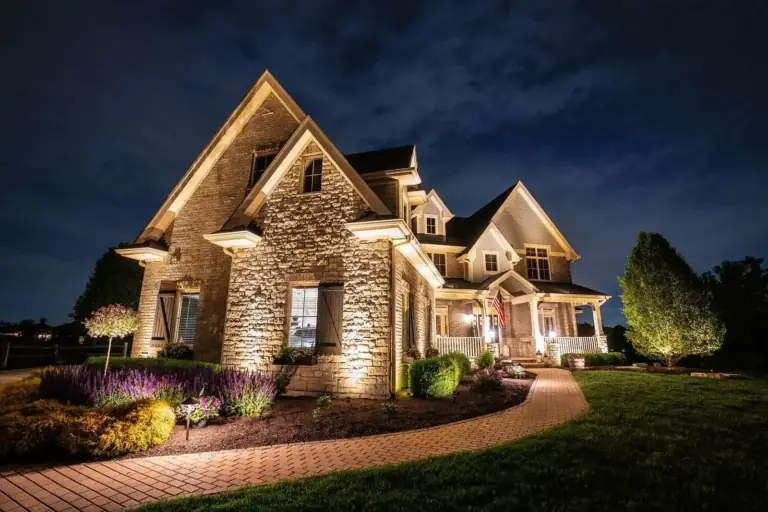
Permanent Architectural Specimen Uplighting
Sophisticated, low-profile brass uplights highlighting heritage specimen trees, sculptures, and structural pergolas year-round.
-
Trade-Offs: Subtle, high-end aesthetic that respects the natural night, but commands a significant capital expenditure.
Interactive Kinetic and Proximity-Triggered Lighting
Sensor-driven installations that respond to visitor movement, creating ripples of light along garden pathways and water features.
-
Trade-Offs: High visitor engagement and memorable guest experiences, but introduces complex software maintenance liabilities.
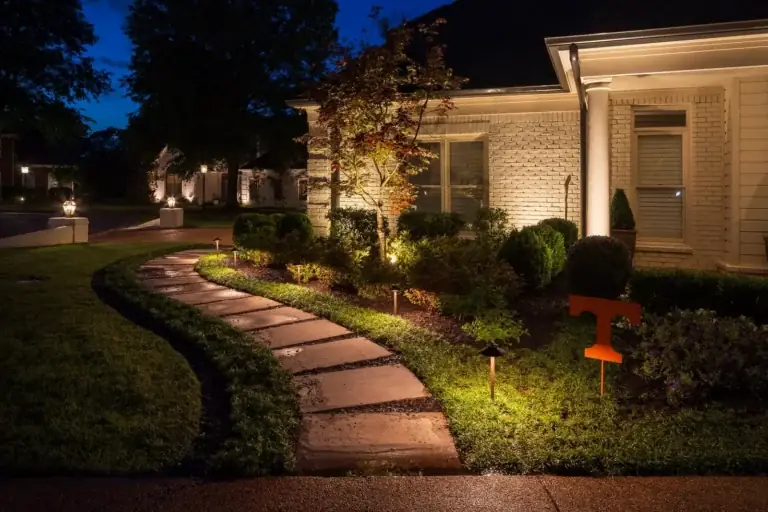
Dark-Sky Compliant Botanical Wayfinding
Low-level bollards and shielded step lights emitting warm amber light to guide visitors safely along dark garden paths.
-
Trade-Offs: Absolute safety and dark-sky compliance, but offers minimal dramatic visual flair.
Architectural Comparison Table
| Illumination Category | Primary Technology Base | Typical Operating Window | Key Visitor Appeal | Primary Operational Challenge |
| Seasonal Light Trails | DMX Pixel-Mapped LEDs | Winter evenings | High-impact visual spectacle | Rigorous setup and teardown labor |
| Specimen Uplighting | Solid Brass LED Fixtures | Year-round dusk to 10 PM | Highlights natural architecture | Plant growth obscuring fixtures |
| Interactive Installations | Sensor-Driven RGBW Arrays | Special exhibitions | Immersive, participatory art | Software and sensor maintenance |
| Wayfinding Path Lighting | Amber Step & Bollard Units | Nightly operational hours | Safe pedestrian navigation | Trenching and wire protection |
Realistic Decision Logic
When public garden directors evaluate strategies for the top garden lighting experiences in america, decision logic must balance visitor ticket revenue against long-term horticultural health. If an institution strings heavy electrical cables directly across delicate root zones to power temporary holiday displays, soil compaction and root suffocation will destroy prized specimen trees over time. Utilizing elevated aerial cable rigging or pre-installed underground conduit networks protects the living botanical collection while delivering reliable power.
Detailed Real-World Scenarios
Examining practical operational scenarios illustrates how mastering the top garden lighting experiences in america prevents infrastructural failures across major public botanical institutions.
Case Study A: The Longwood Gardens Winter Illumination Overhaul
Engineers redesigned an extensive nocturnal holiday lighting network across historic conservatories and outdoor garden rooms in Pennsylvania.
-
Constraints: Massive visitor foot traffic; freezing winter temperatures; delicate historic glasshouses and formal boxwood parterres.
-
Decision Points: Management evaluated whether to continue using traditional extension cord networks or install a permanent, low-voltage subterranean distribution grid.
-
Failure Modes Identified: Previous years relied on miles of surface-laid extension cords that posed tripping hazards for guests and suffered short-circuits from melting snow.
-
Second-Order Effects: Ground faults constantly tripped transformer circuit breakers during peak operating hours, plunging major garden zones into darkness.
-
Resolution: Contractors installed permanent waterproof underground hand-holes and dedicated low-voltage distribution hubs, eliminating surface cord clutter entirely.
Field Incident B: The Desert Botanical Garden Heat Degradation
A prominent desert garden in Arizona experienced rapid LED driver failure and color-shifting in its outdoor architectural lighting arrays.
-
Constraints: Extreme ambient summer temperatures exceeding 115 degrees Fahrenheit; intense ultraviolet radiation; alkaline desert soils.
-
Decision Points: Planners assessed whether standard commercial aluminum fixtures were adequate or if specialized thermal-sink brass units were mandatory.
-
Failure Modes Identified: High ambient temperatures combined with internal LED heat generation caused driver capacitors to overheat and rupture prematurely.
-
Second-Order Effects: Premature component failure created exorbitant maintenance replacement costs and left vital desert trails unlit.
-
Resolution: Facility managers retrofitted all fixtures with heavy cast-bronze housings featuring external thermal fins and remote-mounted drivers kept in shaded enclosures.
Operational Deployment C: The Brooklyn Botanic Garden Canopy Rigging
Technicians managed the installation of seasonal architectural tree lighting across mature deciduous canopies in an urban New York setting.
-
Constraints: Strict municipal noise and light ordinances; historic tree protection mandates; high urban foot traffic.
-
Decision Points: Installers evaluated whether to wrap tree trunks tightly with wire or utilize floating spring-loaded suspension rigging.
-
Failure Modes Identified: Tight wire wraps cut into expanding tree bark as the growing season progressed, choking nutrient flow and causing branch dieback.
-
Second-Order Effects: Damaged trees lost structural integrity, creating severe liability risks for visiting the public.
-
Resolution: Crews transitioned exclusively to padded, spring-loaded nylon suspension straps that expand with tree growth without damaging bark tissue.
Planning, Cost, and Resource Dynamics
Administering an effective high-end public garden lighting strategy requires balancing the substantial upfront capital expense of commercial-grade hardware against long-term maintenance overhead.
Direct and Indirect Financial Realities
When budgeting for the top garden lighting experiences in america, institutional planners must weigh initial equipment expenditures against the high labor cost of troubleshooting buried subterranean wiring faults. Specifying contractor-grade solid brass fixtures and magnetic transformers eliminates chronic replacement cycles and service callbacks.
Opportunity Cost and Resource Allocation
Garden administrators must balance electrical infrastructure complexity against seasonal horticultural changes. Installing oversized conduit loops during initial hardscape construction prevents destructive core-drilling and trenching when landscape designs evolve later.
Financial and Resource Allocation Range Table
| Equipment Tier or Strategy | Initial Capital Investment | Maintenance Overhead | Expected Operational Lifespan | Economic Efficiency |
| Consumer Retail Light Kits | Low ($1,000 – $5,000) | Extreme (Annual replacement) | 1 season | Poor long-term value |
| Commercial LED Uplighting Arrays | Moderate ($15,000 – $50,000) | Moderate (Periodic cleaning) | 5 – 8 years | Moderate performance |
| Heavy Cast-Brass Custom Systems | High ($75,000 – $200,000+) | Minimal (Driver checks) | 20+ years | Optimal long-term ROI |
| DMX Programmable Smart Networks | Ultra-High ($250,000+) | Low to Moderate (Software updates) | 10 – 15 years | Maximum visitor engagement |
Tools, Strategies, and Support Systems
Executing precise, resilient public garden lighting installations requires specialized diagnostic instruments, wiring accessories, and electrical testing hardware.
1. True-RMS Digital Clamp Meters
Technicians use calibrated clamp meters to measure actual operating current and terminal voltage under full load across every circuit leg.
2. Multi-Tap Magnetic Transformers
Utilizing heavy iron-core transformers equipped with secondary voltage taps to actively compensate for line-loss voltage drop over long garden runs.
3. IP68 Gel-Filled Compression Enclosures
Hermetically sealing all subterranean wire splices to eliminate moisture intrusion and prevent galvanic corrosion in damp garden soils.
4. Digital Lux and Foot-Candle Meters
Measuring exact light levels on botanical surfaces to ensure precise optical balance and compliance with dark-sky ordinances.
5. Heavy-Gauge Direct-Burial Tinned Copper Wire
Deploying 10-gauge and 8-gauge stranded copper conductors coated in tin to resist oxidation in aggressive soil chemistries.
6. Specialized Tree-Safe Rigging Hardware
Utilizing non-damaging canvas webbing, spring tensioners, and rubber spacers to mount fixtures in living tree canopies safely.
Risk Landscape and Failure Modes
Failing to properly manage the electrical and environmental complexities of public garden systems exposes installations to compounding failure modes.
Voltage Drop Asymmetry and Lamp Flicker
Undersized cable gauges paired with long cable runs cause voltage to drop, triggering erratic LED driver oscillation and visible lamp flicker across distant garden zones.
Subterranean Splice Degradation
Failure to seal below-grade wire connections allows ground moisture to cause electrolysis, pitting copper conductors and creating intermittent open circuits.
Thermal Overload in Enclosed Power Enclosures
Placing magnetic transformers in unventilated exterior enclosures exposes them to excessive solar heat gain, tripping internal thermal reset breakers.
Governance, Maintenance, and Long-Term Adaptation
Administering long-term control over public garden lighting networks requires disciplined operational reviews, seasonal protocols, and systematic tracking checklists.
-
Biannual Voltage and Amperage Audits: Measure terminal voltage at the furthest fixture on every circuit run each spring and autumn to verify system health.
-
Quarterly Fixture Alignment and Botanical Clearance: Clear vegetative overgrowth, wash glass lenses, and verify precise beam alignment as plants grow.
-
Layered Maintenance Checklist:
-
Inspect transformer circuit breakers and astronomical timer automation sensors.
-
Verify integrity of sub-grade gel wire splice enclosures.
-
Check tree-mounted fixture hanging loops for cable tension and bark clearance.
-
Test DMX control network gateways and lighting scene schedules.
-
Measurement, Tracking, and Evaluation
Assessing the ongoing performance and visitor impact of elite garden lighting installations involves monitoring leading and lagging indicators.
Leading and Lagging Indicators
Leading indicators include stable terminal voltage readings, clean unoxidized wire splices, uncompromised botanical health, and positive visitor feedback surveys. Lagging indicators reflect system neglect, including LED driver failure, chronic circuit breaker trips, tree bark girdling, and municipal dark-sky citations.
Common Misconceptions and Oversimplifications
1. Public garden lighting requires no special protection for living trees and plants.
Attaching fixtures directly with rigid wire or nails damages bark and chokes nutrient flow, destroying valuable specimen trees.
2. Consumer-grade retail holiday lights are suitable for permanent commercial botanical displays.
Retail strings degrade rapidly under UV exposure and moisture, creating severe electrical fire hazards in public parks.
3. Brighter illumination always creates a more visually engaging nighttime garden experience.
Over-illuminating botanical spaces washes out natural shadows, causes blinding glare, and disrupts local nocturnal wildlife.
4. Underground wire splices do not need waterproof gel enclosures if buried deep.
Moisture and irrigation chemicals in garden soils cause rapid corrosion and short-circuits without hermetic sealing.
5. Smart wireless control systems eliminate the need for physical electrical maintenance.
Wireless automation relies on stable power grids; physical hardware, transformers, and wiring still require rigorous hands-on inspection.
6. Public garden lighting installations can operate without considering municipal dark-sky rules.
Public institutions must comply with strict local light pollution ordinances to protect neighboring communities and night skies.
Ethical, Practical, and Contextual Considerations
Mastering the implementation of public garden illumination extends beyond physical durability into responsible dark-sky stewardship and ecological preservation. Unshielded bright white lighting creates disruptive light pollution, washes out the nocturnal night sky, and disorients migratory birds and local nocturnal fauna inhabiting botanical preserves. By specifying fully shielded, precisely directed luminaires with warm Kelvin color temperatures and scheduled operational cutoffs, cultural institutions achieve stunning artistic elegance while respecting environmental ecosystems and community dark-sky standards.
Conclusion
Mastering the electrical, optical, and horticultural principles behind the top garden lighting experiences in america is essential for achieving long-term architectural success. Relying on consumer-grade hardware, uncalculated cable runs, and inadequate power supplies guarantees voltage drop, component failure, and aesthetic mediocrity. By investing in solid brass construction, multi-tap magnetic transformers, tree-safe rigging hardware, and professional optical planning, botanical institutions secure a resilient, breathtaking nighttime infrastructure. Ultimately, rigorous engineering transforms public garden illumination from a chronic maintenance liability into a permanent, highly authoritative cultural asset.